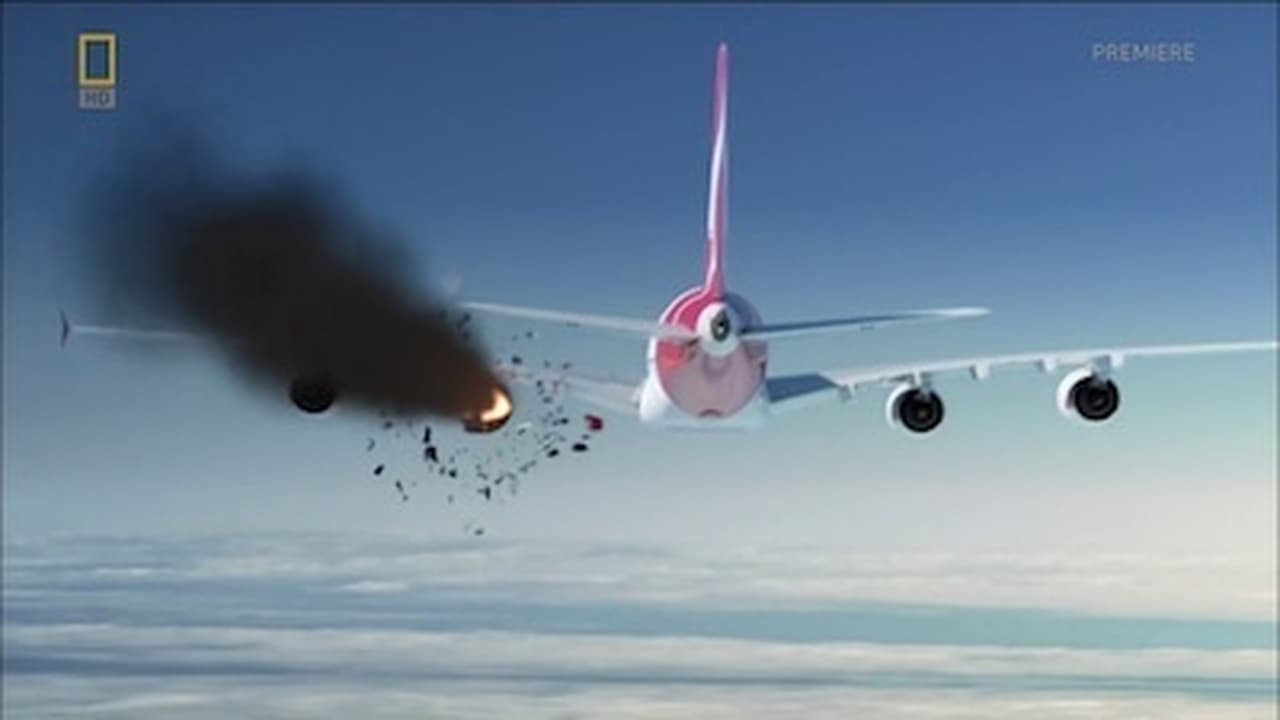
Major real-life air disasters are depicted in this series. Each episode features a detailed dramatized reconstruction of the incident based on cockpit voice recorders and air traffic control transcripts, as well as eyewitnesses recounts and interviews with aviation experts.
In the United States
Availability data byJustWatch, opens in a new tab
All options, opens in a new tab
Stephen BogaertSelf - Narrator (voice) / Narrator
Alec McClureFirst Officer Hicks
Andy ReidJason Kemper

Pat MastroianniLima Air Traffic Controller
Michael MillarCaptain Evans
Stephen ChambersSecond Officer

Justin MaderInvestigator Grummett

Nonnie GriffinMarion Carroll

Dylan RamseyBobby 'The Killer' / Air Traffic Controller
Keana BastidasMichelle Dussan
John TokatlidisNicolas Skourias / Captain Chavez

Arthur HoldenCommentary (Nelson Rivera)
I Shouldn't Be Alive2005Rating: 7.1 out of 10
Rescue 9111989Rating: 7.9 out of 10
In the Eye of the Storm2024Rating: 8.2 out of 10
Fear Thy Neighbor2014Rating: 8.1 out of 10

Files of the Unexplained2024Rating: 6.6 out of 10
People Magazine Investigates2016Rating: 8.5 out of 10
American Monster2016Rating: 7.5 out of 10
Snapped2004Rating: 7.8 out of 10
The War2007Rating: 8.2 out of 10

Testament: The Story of Moses2024Rating: 7.2 out of 10
Forensic Files1996Rating: 7.9 out of 10

Roman Empire2016Rating: 7.0 out of 10
Space Race2005Rating: 7.4 out of 10

Who Killed Jill Dando?2023Rating: 6.8 out of 10

Horror at the Cecil Hotel2017Rating: 7.2 out of 10
Year Million2017Rating: 8.3 out of 10
Pompeii: Out of Time with Tom Hiddleston2026Rating: 7.5 out of 10

Wild Crime2021Rating: 6.4 out of 10

Jesus: His Life2019Rating: 7.4 out of 10
Rise of the Nazis2019Rating: 7.9 out of 10Episodes
26 seasons and 240 episodes so far
Filming locations
Filmed in Toronto
Season 13, 10 episodes

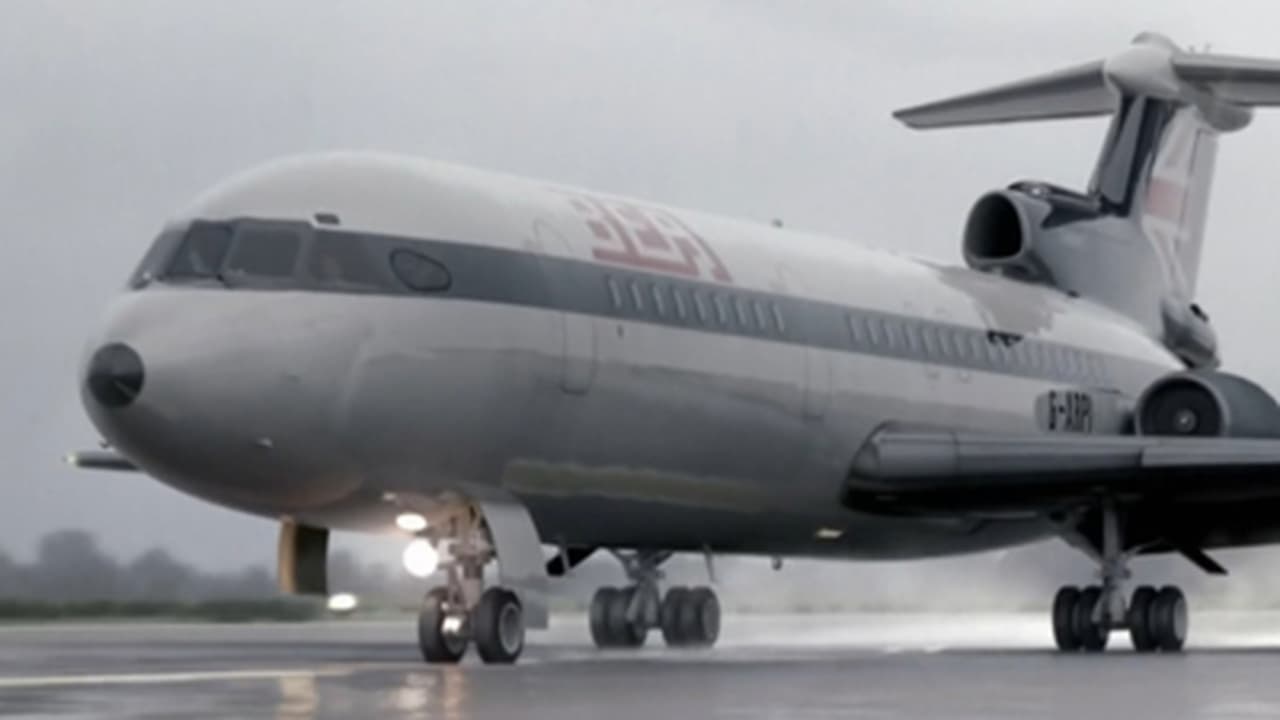
On 18 June 1972, British European Airways Flight 548 stalls and crashes in a field near Staines-upon-Thames shortly after takeoff from London Heathrow Airport, killing all 118 people on board. The crash was attributed to the pilot retracting the aircraft's droops at too low an airspeed and failing to recognise the stall warnings.

On 13 January 1982, Air Florida Flight 90 takes off from a snowy runway in Washington D.C, stalls at 300 feet altitude, strikes a road bridge and crashes into the Potomac River, killing a total of 78 people. The causes were ice on the wings and the pilots' failure to turn on the engines' anti-freeze system, causing erroneous engine instrument readings.

On 6 June 1971, Hughes Airwest Flight 706 collides with a United States Marine Corps (USMC) jet fighter above the San Gabriel Mountains. A total of 50 people from the two aircraft are killed, with the backseat crewman of the USMC aircraft the only survivor.

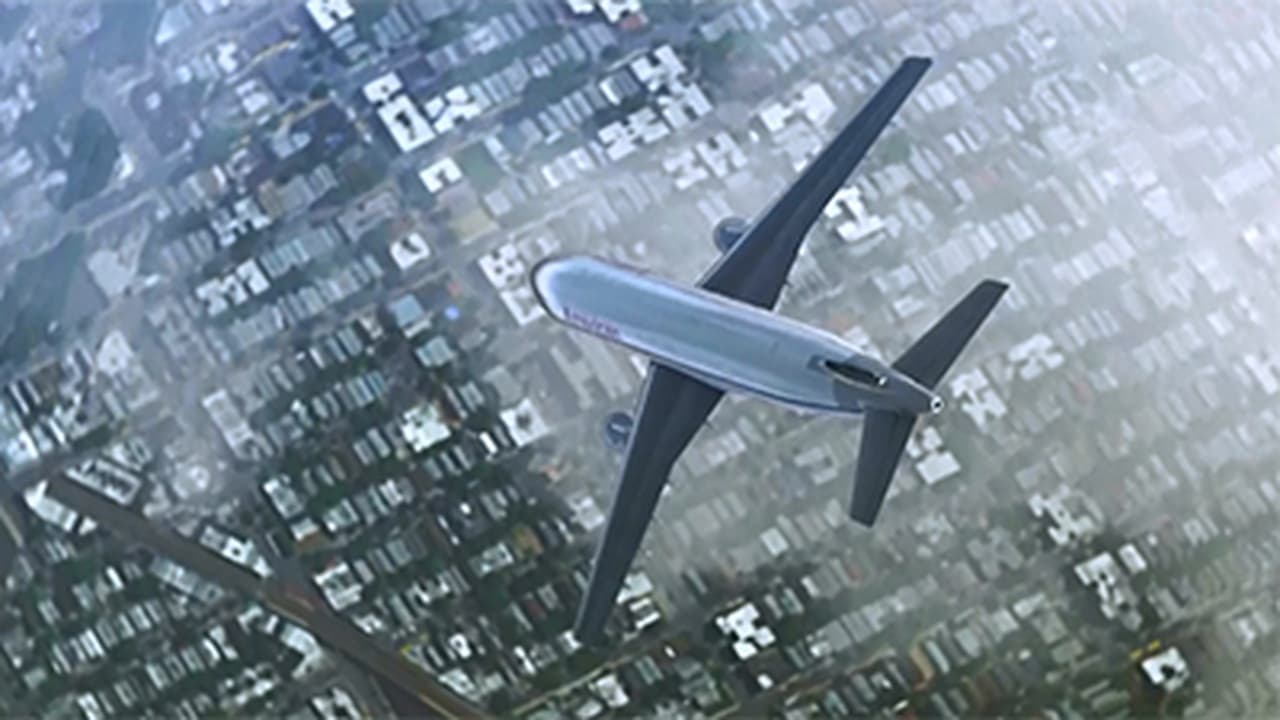
On 12 November 2001, just two months after the September 11 attacks, American Airlines Flight 587 spirals out of control after taking off from John F. Kennedy Airport. Shortly after, the aircraft crashes into the suburb of Queens, killing all 260 people on board and five people on the ground. The vertical stabilizer had detached from the aircraft because of improper rudder use by the first officer, after encountering wake turbulence from a Boeing 747-400 that had taken off minutes earlier.

On 10 January 2000, Crossair Flight 498 crashes just two minutes after takeoff from Zurich, Switzerland, while heading for Dresden, Germany, killing all 10 people on board. The investigation found that the pilots had suffered spatial disorientation.

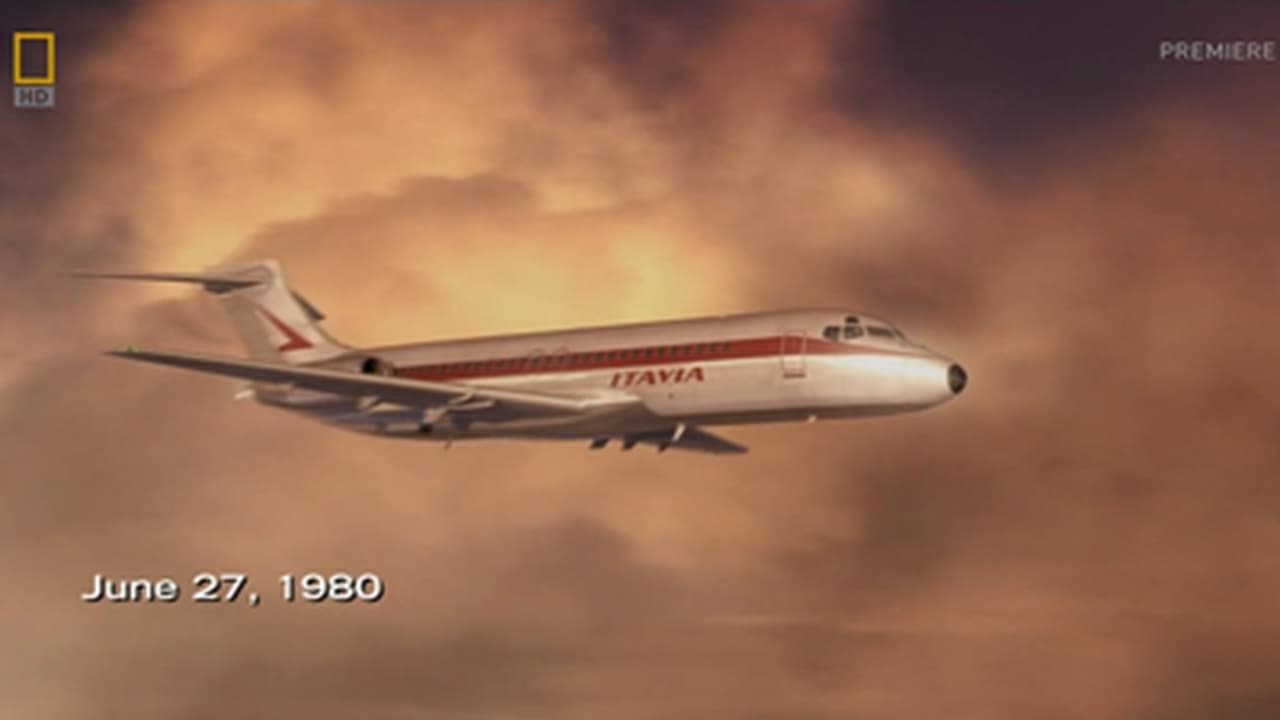
On 27 June 1980, Aerolinee Itavia Flight 870 crashes into the Tyrrhenian Sea near the island of Ustica, Italy. All 81 people on board are killed. The top Italian criminal court eventually ruled on 23 January 2013 that a missile strike brought down the aircraft,[7] but controversy remains; some experts dispute this conclusion, arguing that an on-board bomb in the rear toilet was the cause. No definitive accident report was published.

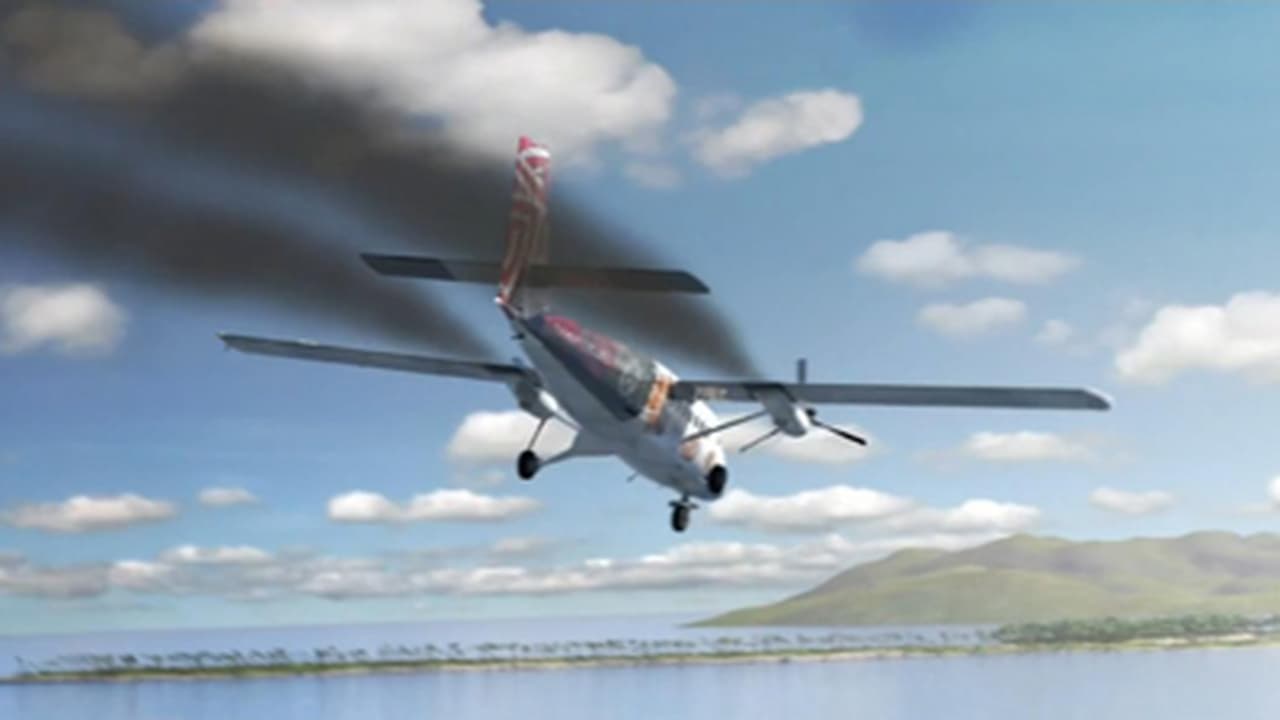
On 9 August 2007, Air Moorea Flight 1121 crashes shortly after taking off from Moorea Airport in French Polynesia. All 19 passengers and the pilot died. The cause was a badly worn and partly broken elevator control cable failing completely in flight. It was put under more strain than it could handle as the force on the elevators changed with flap retraction. The situation was likely aggravated by the aircraft being repeatedly buffeted by jet exhaust while parked, stressing the cables further.

On 27 November 2008, an aircraft on a post-maintenance test flight operating as XL Airways Germany Flight 888T crashes into the Mediterranean Sea off the coast of France, killing all seven people on board. The investigators determined that improper maintenance work allowed water to enter the aircraft's angle of attack (AOA) sensors. The water then froze during flight, causing the sensors to stop working. The crew tried to test the stall warning system during flight, and the aircraft entered a low-speed stall.

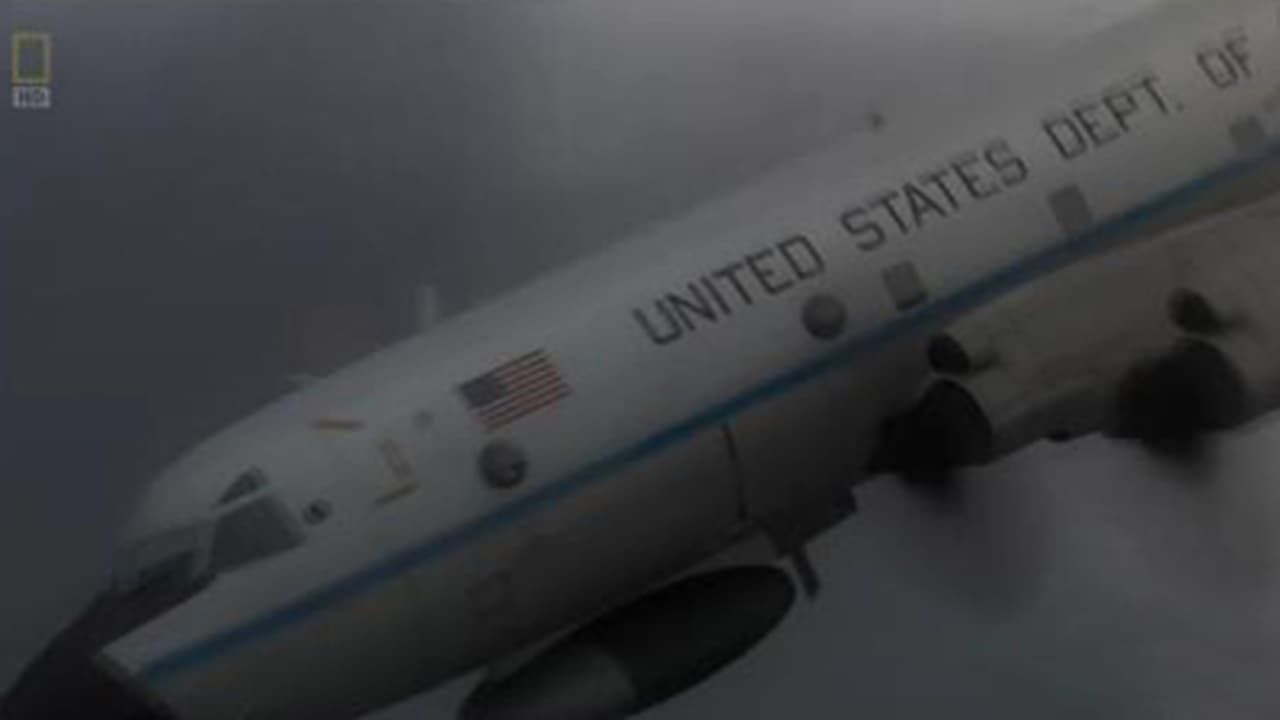
On 15 September 1989, a National Oceanic and Atmospheric Administration aircraft tasked with intercepting Hurricane Hugo over the Caribbean islands is jolted by strong winds, causing an engine to catch fire and fail. The pilots of the aircraft manage to make a safe emergency landing.

On 4 November 2010, Qantas Flight 32, en route to Sydney Airport in Australia, suffers an uncontained engine failure in its number two engine and serious damage to its left wing shortly after takeoff from Singapore. The crew members overcome a number of resulting failures and make a safe emergency landing back at Singapore with no injuries among the 469 passengers and crew members. Investigators found that a manufacturing fault in an oil pipe caused the engine failure.