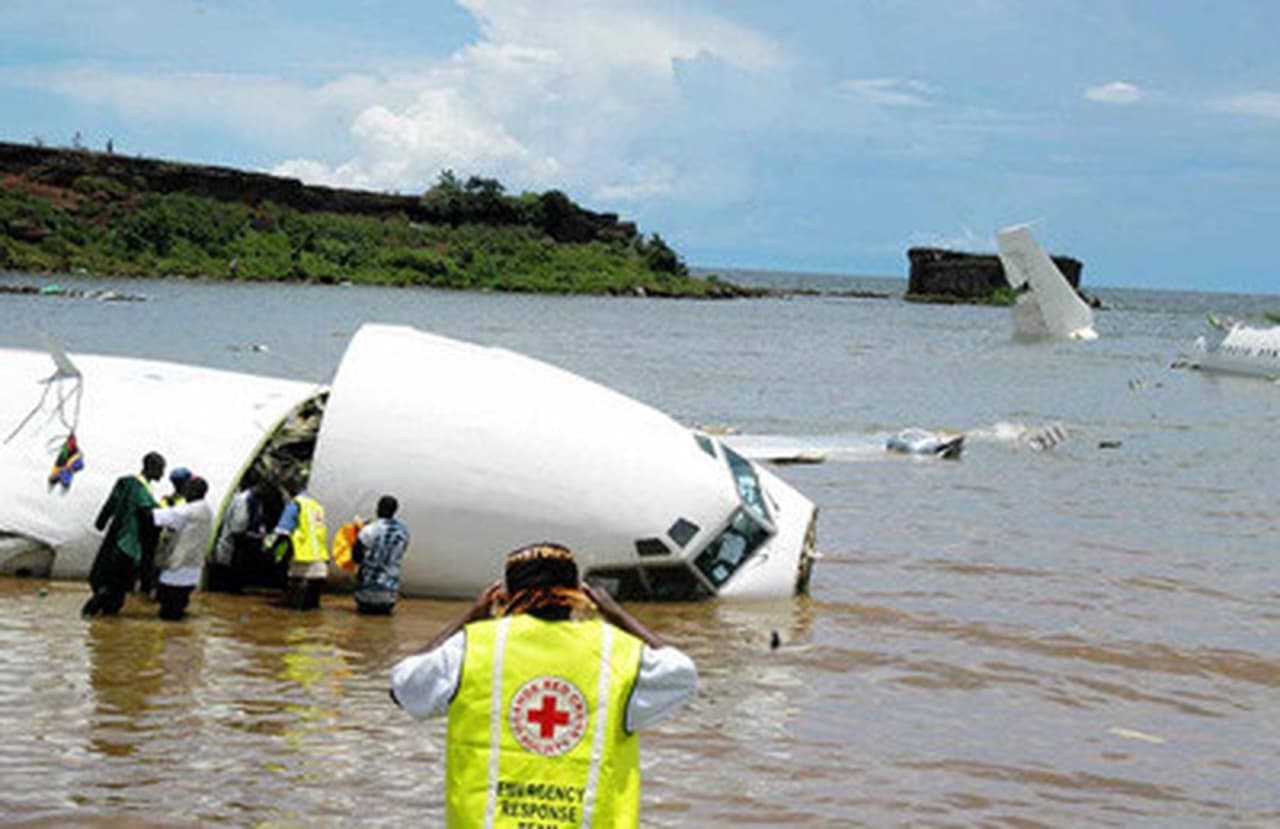
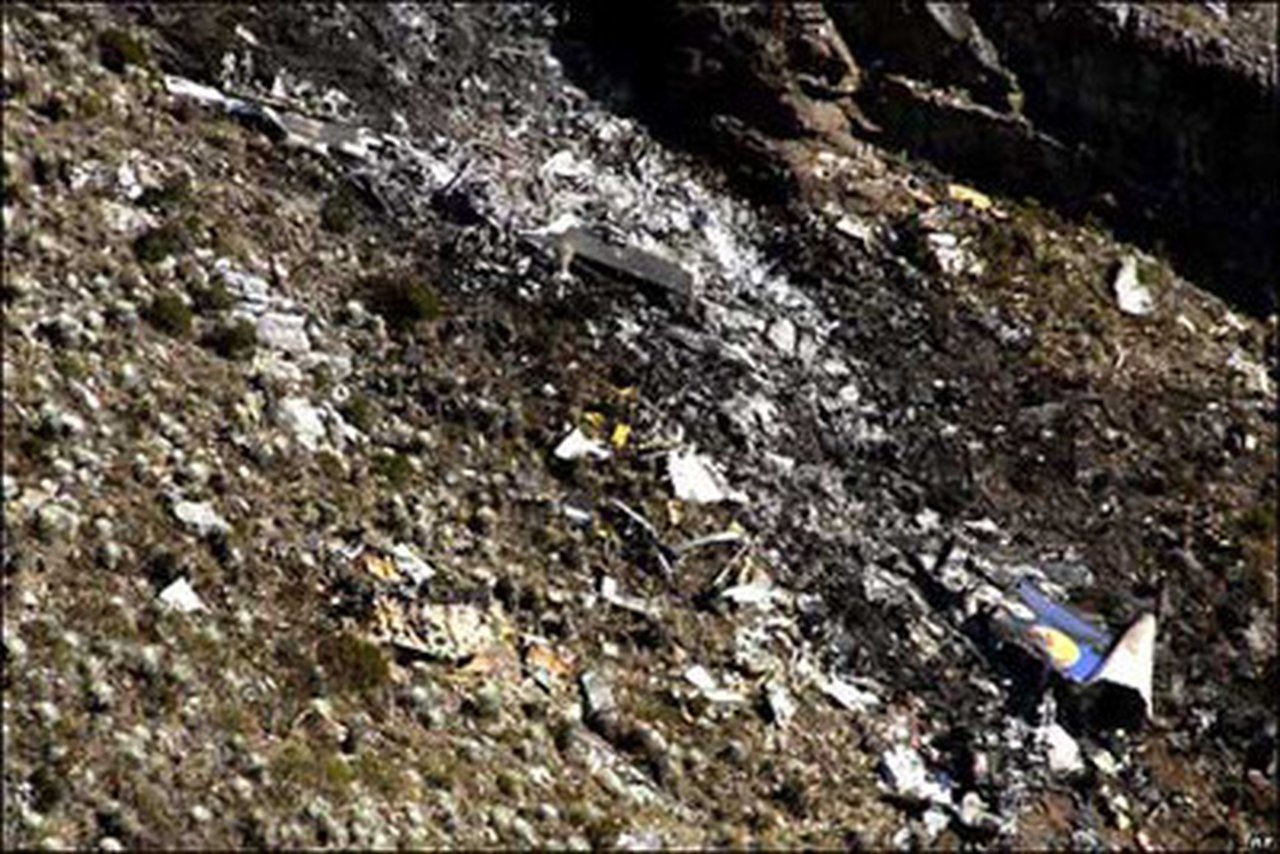
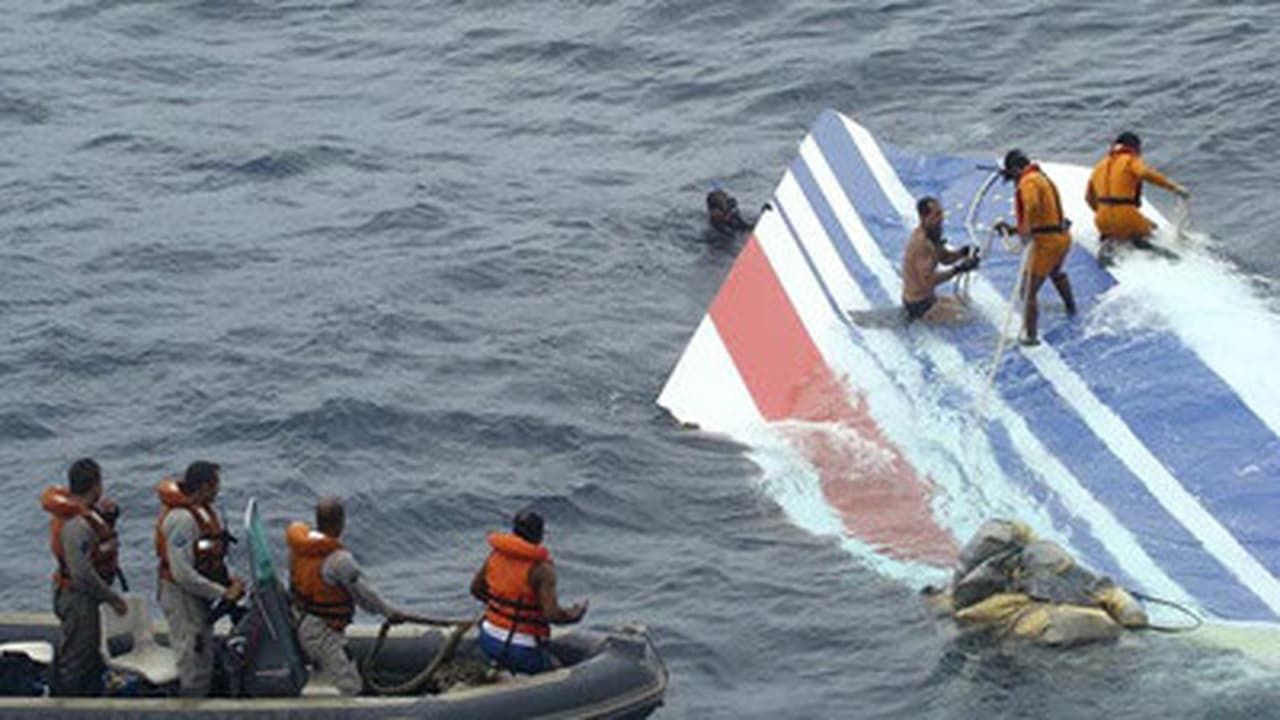
Major real-life air disasters are depicted in this series. Each episode features a detailed dramatized reconstruction of the incident based on cockpit voice recorders and air traffic control transcripts, as well as eyewitnesses recounts and interviews with aviation experts.
In the United States
Availability data byJustWatch, opens in a new tab
All options, opens in a new tab
Stephen BogaertSelf - Narrator (voice) / Narrator
Alec McClureFirst Officer Hicks
Andy ReidJason Kemper

Pat MastroianniLima Air Traffic Controller
Michael MillarCaptain Evans
Stephen ChambersSecond Officer

Justin MaderInvestigator Grummett

Nonnie GriffinMarion Carroll

Dylan RamseyBobby 'The Killer' / Air Traffic Controller
Keana BastidasMichelle Dussan
John TokatlidisNicolas Skourias / Captain Chavez

Arthur HoldenCommentary (Nelson Rivera)
I Shouldn't Be Alive2005Rating: 7.1 out of 10

Rescue 9111989Rating: 7.9 out of 10
In the Eye of the Storm2024Rating: 8.2 out of 10

Fear Thy Neighbor2014Rating: 8.1 out of 10

Files of the Unexplained2024Rating: 6.6 out of 10
People Magazine Investigates2016Rating: 8.5 out of 10

American Monster2016Rating: 7.5 out of 10
Snapped2004Rating: 7.8 out of 10

The War2007Rating: 8.2 out of 10

Testament: The Story of Moses2024Rating: 7.2 out of 10
Forensic Files1996Rating: 7.9 out of 10

Roman Empire2016Rating: 7.0 out of 10

Space Race2005Rating: 7.4 out of 10

Who Killed Jill Dando?2023Rating: 6.8 out of 10

Horror at the Cecil Hotel2017Rating: 7.2 out of 10
Year Million2017Rating: 8.3 out of 10

Pompeii: Out of Time with Tom Hiddleston2026Rating: 7.5 out of 10

Wild Crime2021Rating: 6.4 out of 10

Jesus: His Life2019Rating: 7.4 out of 10
Rise of the Nazis2019Rating: 7.9 out of 10Episodes
26 seasons and 240 episodes so far
Filming locations
Filmed in Toronto
Season 12, 13 episodes

On 8 June 1983, Reeve Aleutian Airways Flight 8's propeller separates from the aircraft over Cold Bay, Alaska, causing an explosive decompression and loss of control. The pilots manage to land the aircraft safely at Anchorage, Alaska. The propeller fell into the sea, and the cause of the separation is undetermined.

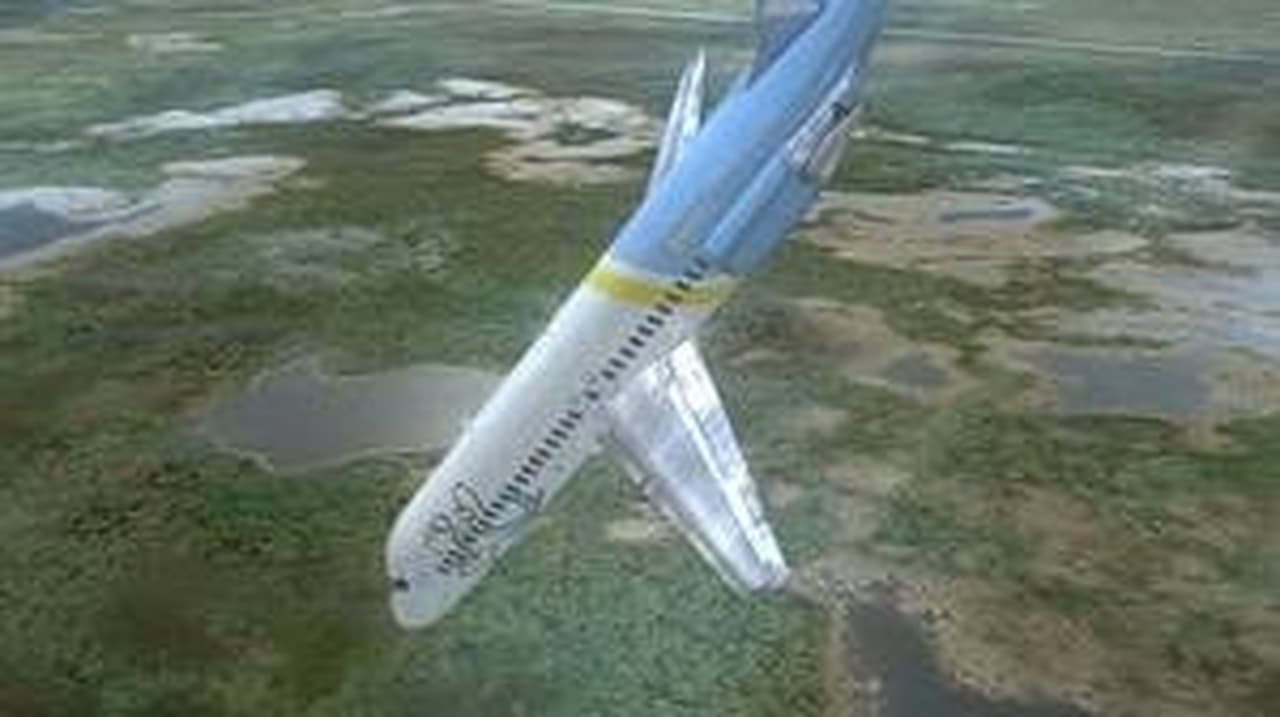
On 11 May 1996, 10 minutes after takeoff, ValuJet Flight 592 crashes into the Florida Everglades, killing all 110 people on board. The cause was an in-flight fire which was started by the accidental triggering of a chemical oxygen generator improperly shipped as cargo.

On 31 October 2000, Singapore Airlines Flight 006 collides with construction equipment at Chiang Kai-shek International Airport in Taipei while attempting to take off on the wrong runway in a typhoon. 83 of the 179 passengers and crew members perish. Investigators concluded that pilot error was the cause of the crash.

On 19 December 1997, SilkAir Flight 185, en route to Singapore, crashes into the Musi River in Indonesia after abruptly diving from its cruise altitude, killing all 104 passengers and crew members on board. The cause of the crash was disputed: a US investigation concluded that it was an act of murder–suicide by the captain; however, the Indonesian investigators were undetermined, and the Los Angeles Court concluded that it was a servo valve failure.

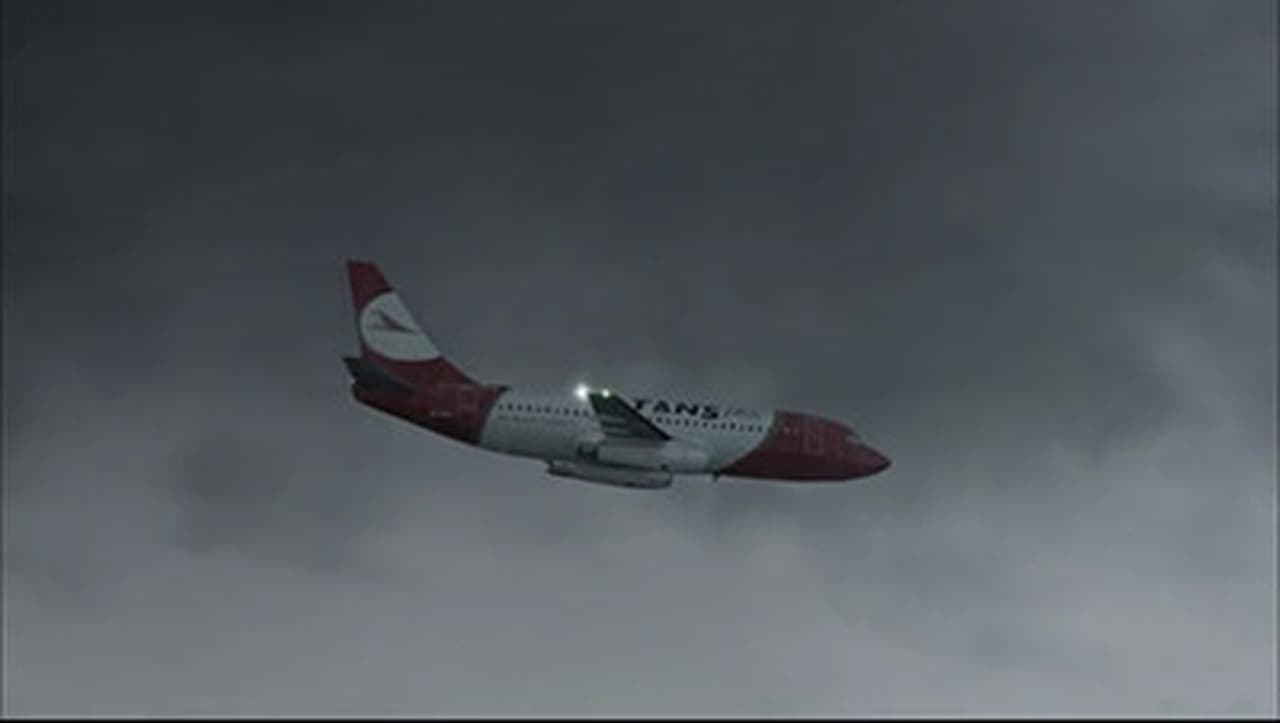
On 23 August 2005, TANS Perú Flight 204 attempts to make a landing at Pucallpa Airport, Peru, in a severe thunderstorm, but crashes into a muddy swamp four miles (6.4 km) away. The cause was the pilots not following visual flight rules that could have prevented the crash while the aircraft was being pushed by a downdraft.

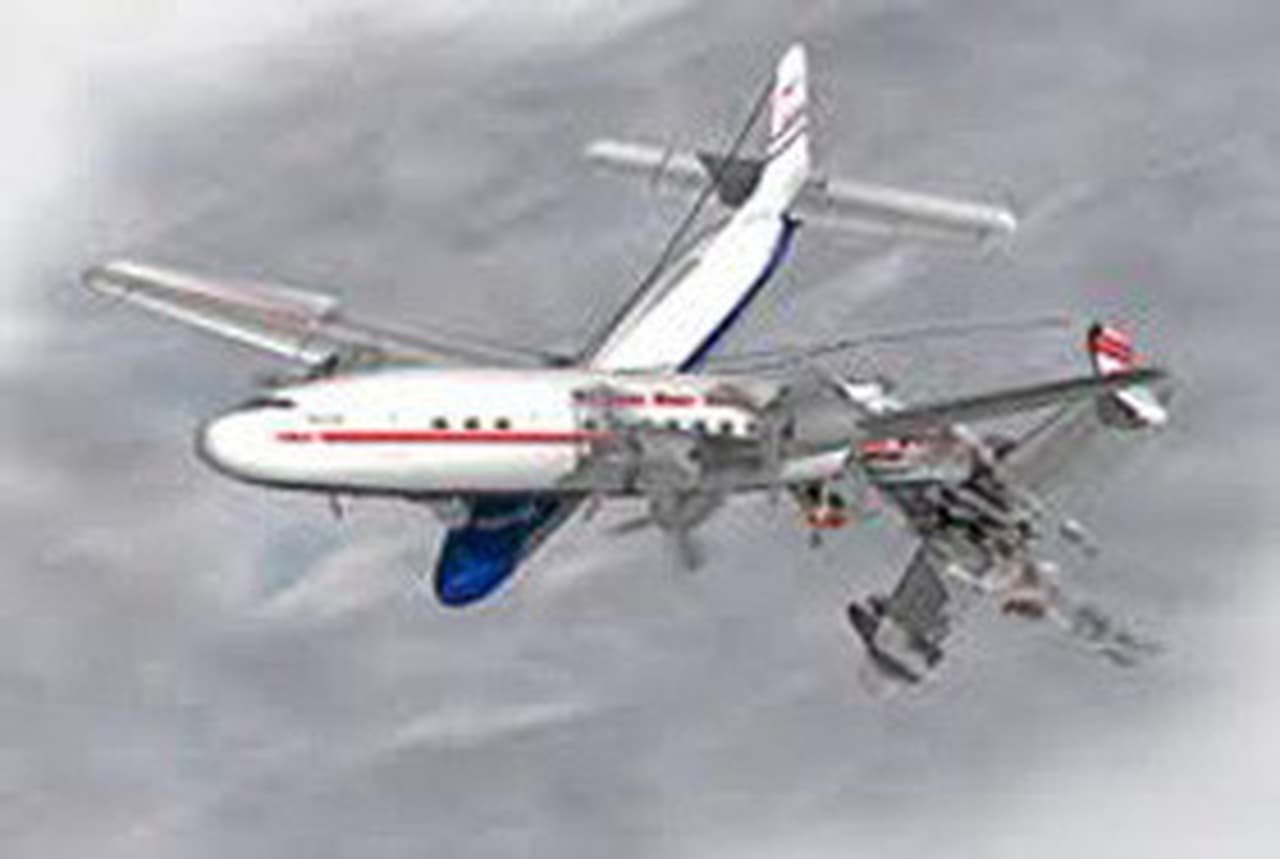
On 30 June 1956, United Airlines Flight 718 collides with Trans World Airlines Flight 2 over the Grand Canyon in Arizona. All 128 occupants on both flights are killed. At the time, it was the deadliest airline crash in history, and would lead to sweeping changes in the regulation of flight operations over the US.

On 10 April 2010, a Polish Air Force VIP aircraft carrying the President of Poland Lech Kaczyński, his wife Maria Kaczyńska and other top officials, crashes short of the runway in a wooded area while on final approach to Smolensk North Airport in heavy fog and low visibility. All 96 passengers and crew members on board are killed.

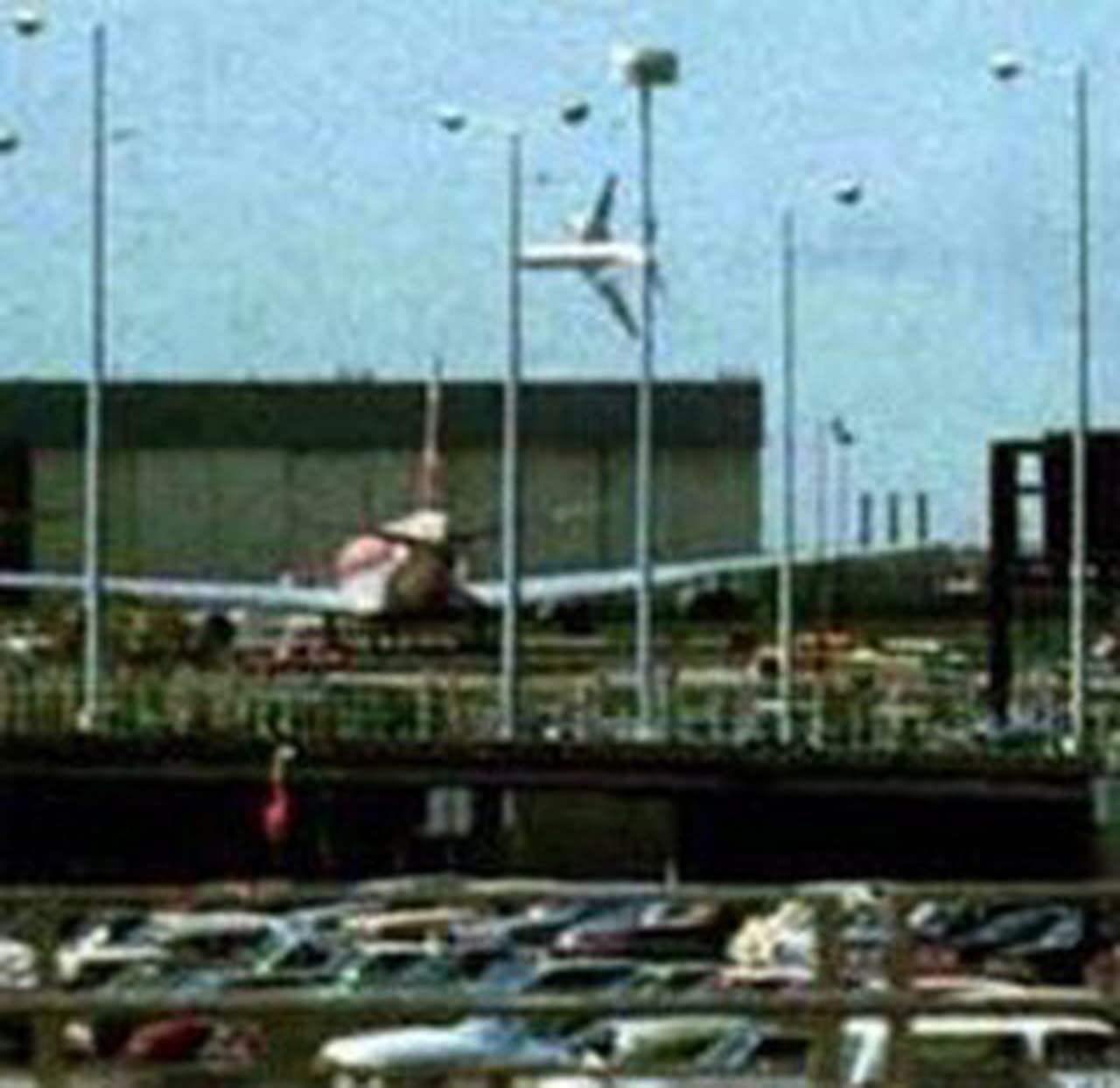
On 25 May 1979, the left engine of American Airlines Flight 191 falls off moments after takeoff at Chicago's O'Hare International Airport. The aircraft crashes into an open field shortly thereafter, killing all 271 people on board and two people on the ground. The engine fell off because the pylon attaching it to the wing had suffered damage caused by improper maintenance procedures.

On 7 September 2011, an aircraft carrying the Lokomotiv Yaroslavl professional ice hockey team crashes shortly after takeoff at Yaroslavl, Russia, killing all but one of the 45 occupants. The investigation found that the pilots were not properly trained on the aircraft type and mishandled the aircraft during the takeoff.

On 28 December 1978, the crew of United Airlines Flight 173 is preoccupied with a landing gear problem as the aircraft circles in a holding pattern in the vicinity of Portland, Oregon. It runs out of fuel and crashes in a sparsely populated area, killing 10 and seriously injuring 24 of the 189 on board. According to the NTSB, the pilot failed to acknowledge the warnings of the remaining crew regarding the aircraft's fuel state, while the remaining crew failed to adequately communicate the situation. The NTSB recommendation from this event led to the industry-wide implementation of Crew resource management (CRM) protocols.

On 25 January 2010, Ethiopian Airlines Flight 409, en route to Addis Ababa, plunges into the Mediterranean Sea shortly after takeoff from Beirut–Rafic Hariri International Airport during a thunderstorm, killing all 90 people on board.

On 21 February 2008, Santa Bárbara Airlines Flight 518, en route from Mérida, Venezuela, to Caracas, veers off course and flies into the side of a mountain shortly after takeoff. All 46 passengers and crew members on board die. Investigators determined that the aircraft took off with inoperative navigation equipment due to the pilots' failure to do their pre-flight checklist.

On 1 June 2009, Air France Flight 447, a scheduled flight from Rio de Janeiro to Paris, stalls and crashes into the Atlantic Ocean while flying through a thunderstorm, killing all 216 passengers and 12 crew members on board. The causes of the crash were incorrect airspeed readings due to ice blockage of the aircraft's pitot tubes, inappropriate control inputs and the pilots not taking recovery action until it was too late.