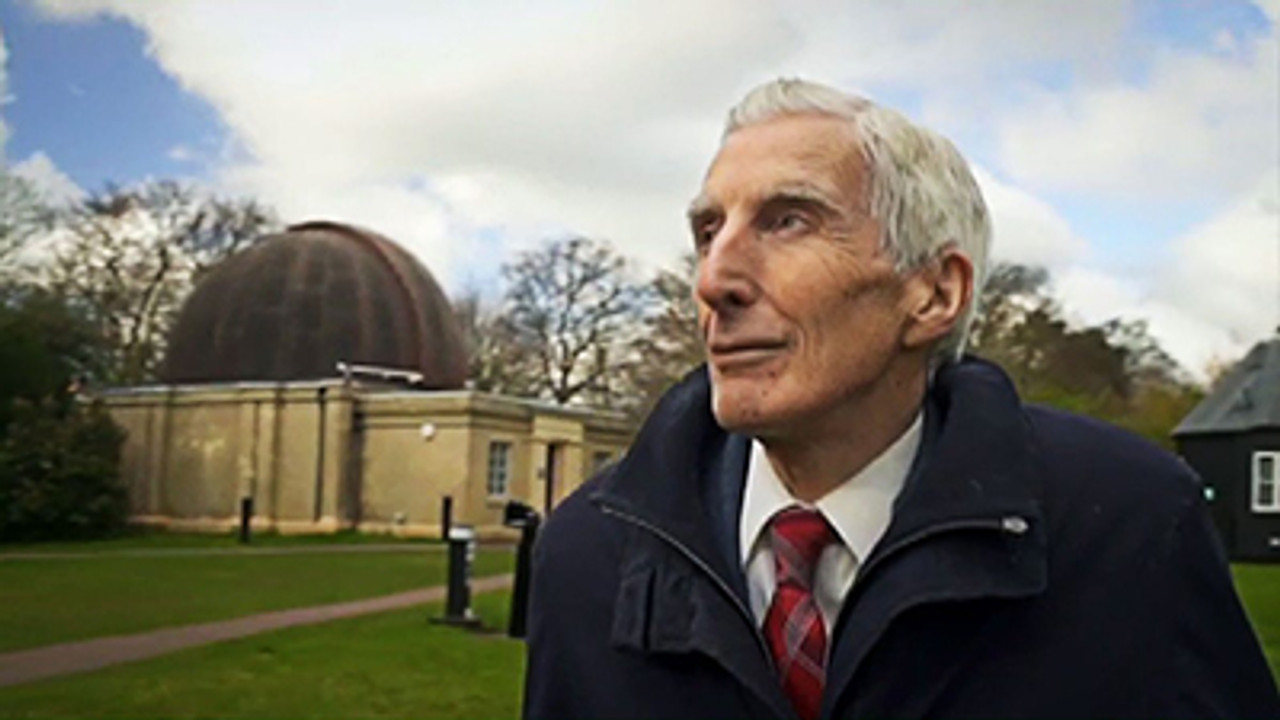
Series of investigative science documentaries.
Episodes
Ran for 1 season and 3 episodes (2016 to 2017)
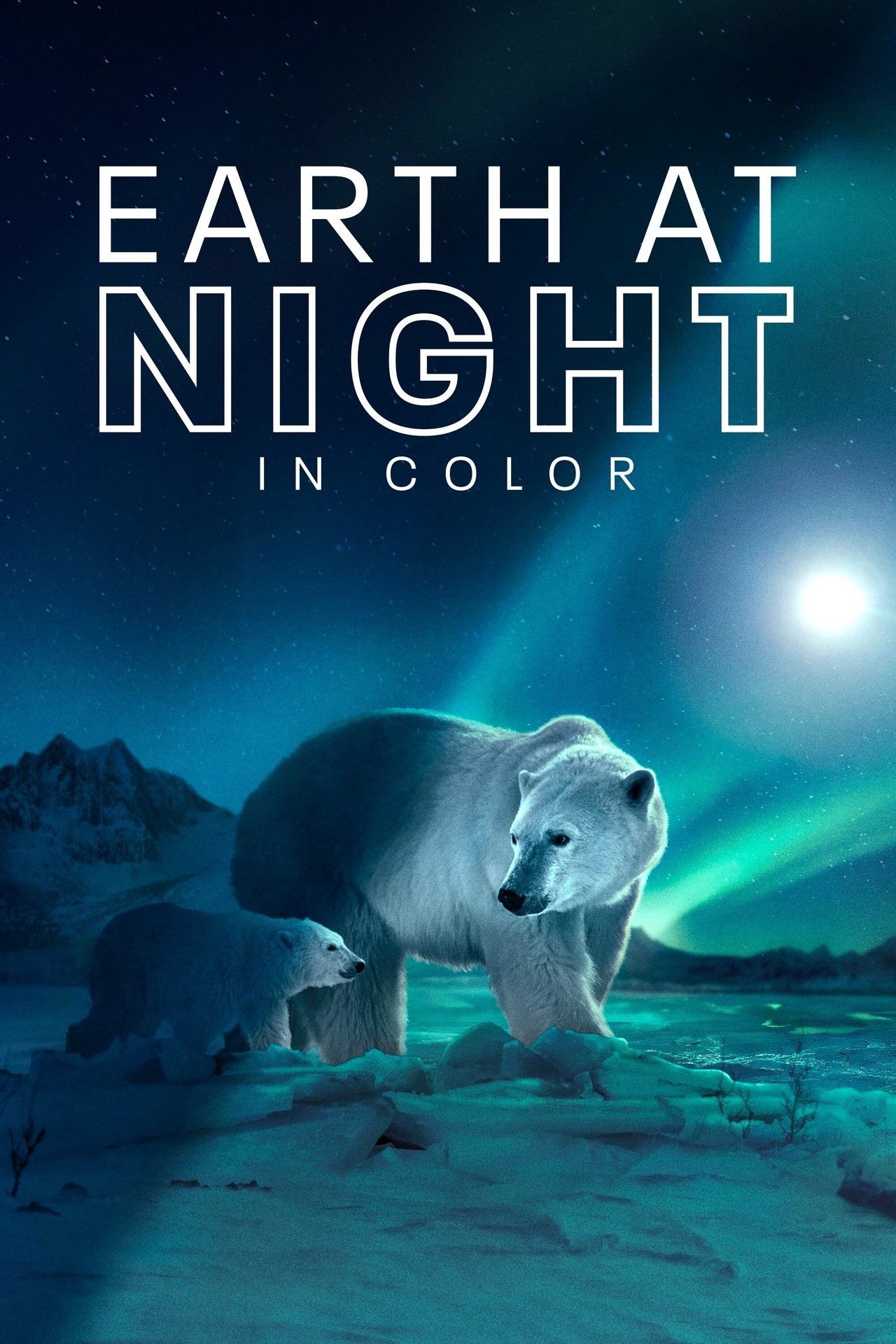
Earth at Night in Colour2020Rating: 8.2 out of 10
History 1012020Rating: 7.1 out of 10

The Idaho Murders: College Nightmare2026Rating: 6.8 out of 10

Marvel's 6162020Rating: 7.4 out of 10
History's Greatest Mysteries2020Rating: 7.7 out of 10
The New York Times Presents2020Rating: 7.0 out of 10
Worst Neighbor Ever2026Rating: 7.4 out of 10
Into the Unknown: Making Frozen II2020Rating: 7.0 out of 10
The Innocent Man2018Rating: 6.9 out of 10
Crime Scene: The Texas Killing Fields2022Rating: 6.5 out of 10

How Do They Do It?2006Rating: 7.5 out of 10
Trust Me: The False Prophet2026Rating: 7.5 out of 10

Top Gear1978Rating: 8.0 out of 10
The Real History of Science Fiction2014Rating: 6.8 out of 10
Planet Earth III2023Rating: 8.6 out of 10
Horizon1964Rating: 7.5 out of 10
Welcome to Earth2021Rating: 7.6 out of 10
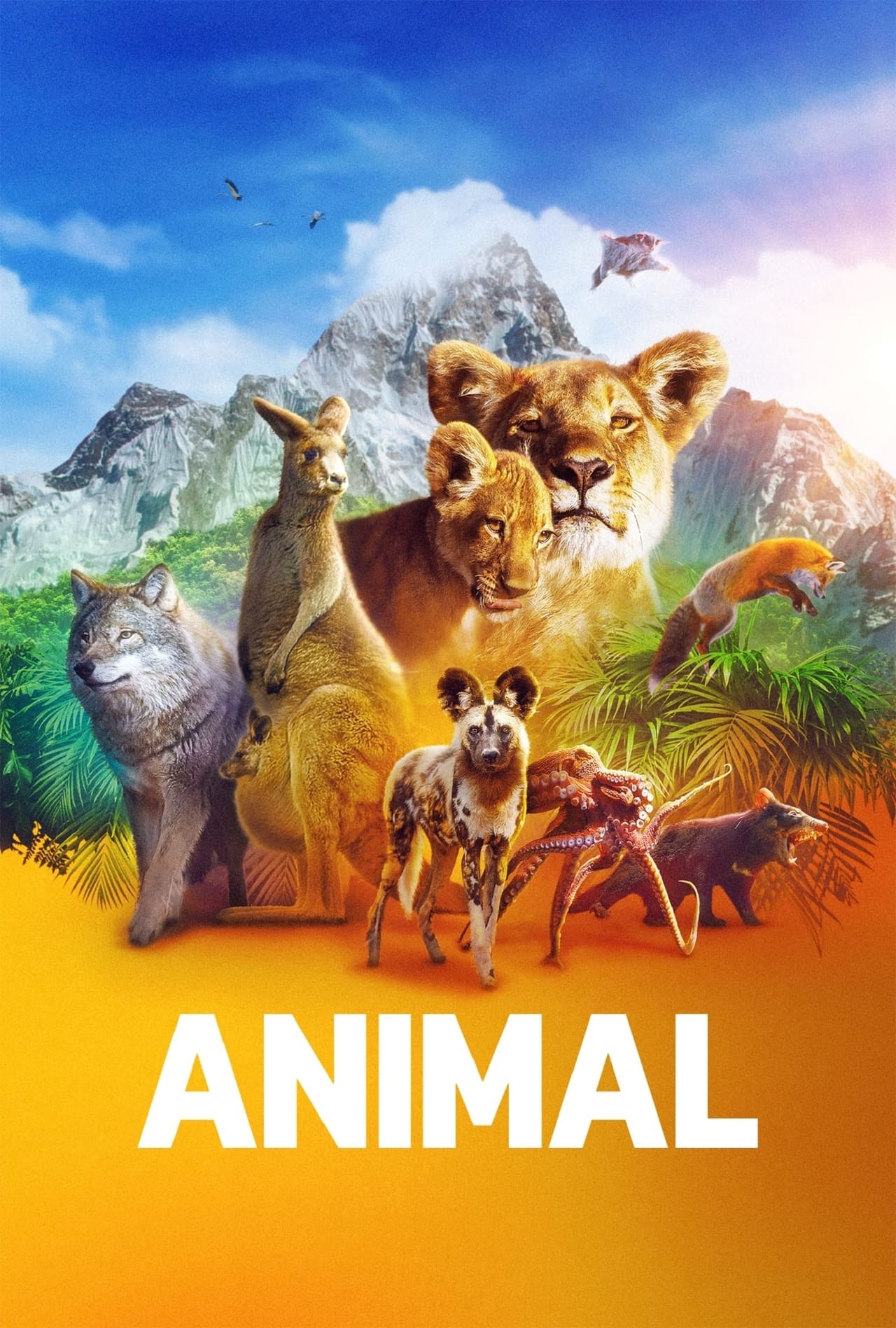
Animal2021Rating: 8.0 out of 10

American Manhunt: Osama bin Laden2025Rating: 7.7 out of 10

Deadly Women2005Rating: 7.9 out of 10Season 1, 3 episodes

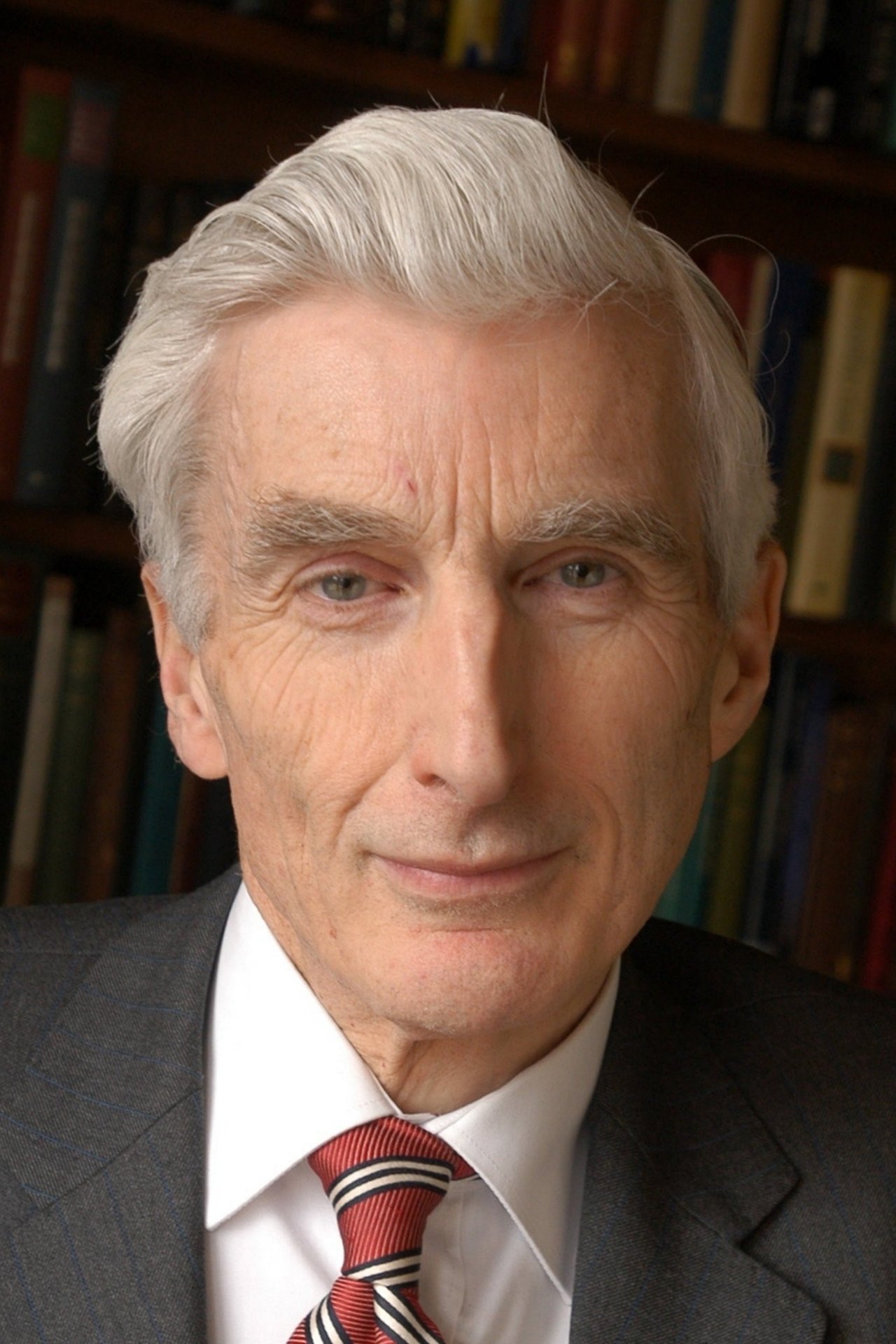
The hunt for aliens is on! After a distinguished career in cosmology Professor Martin Rees, the astronomer royal, has taken up the search for extra-terrestrials. Looking for aliens is no longer science fiction - it is a question that's engaging some of the greatest minds in science. As our knowledge of the universe has increased, we're getting closer to answers. Many scientists now think we live in galaxy with a billion Earth-like planets, many of which may be teeming with life. But what kind of life? Has anything evolved into beings we could communicate with? This film gets inside the minds of the scientists considering one of the most exciting and profound questions we can ask - are we alone in the universe? Professor Rees thinks we may have our idea of what an alien is like all wrong. If he's right, it's not organic extra-terrestrials we should look for, it's machines.

The attempt to send and land astronauts on Mars risks billions of dollars and the lives of those brave enough to attempt it. Is the possible benefit really worth the risk? And is it really achievable? Guiding us through this ethical and scientific minefield is Dr Kevin Fong. Kevin's diverse background in astrophysics, aeronautics and medicine makes him uniquely placed to understand the technical and human challenges of this perilous journey. With the help of the BBC's rich archive and a cast of supporting experts, Kevin leads us through the journey to Mars stage by stage. For Kevin, not only is this the toughest journey we will ever attempt, it is one that he feels we ultimately must make if we are to survive as a species.

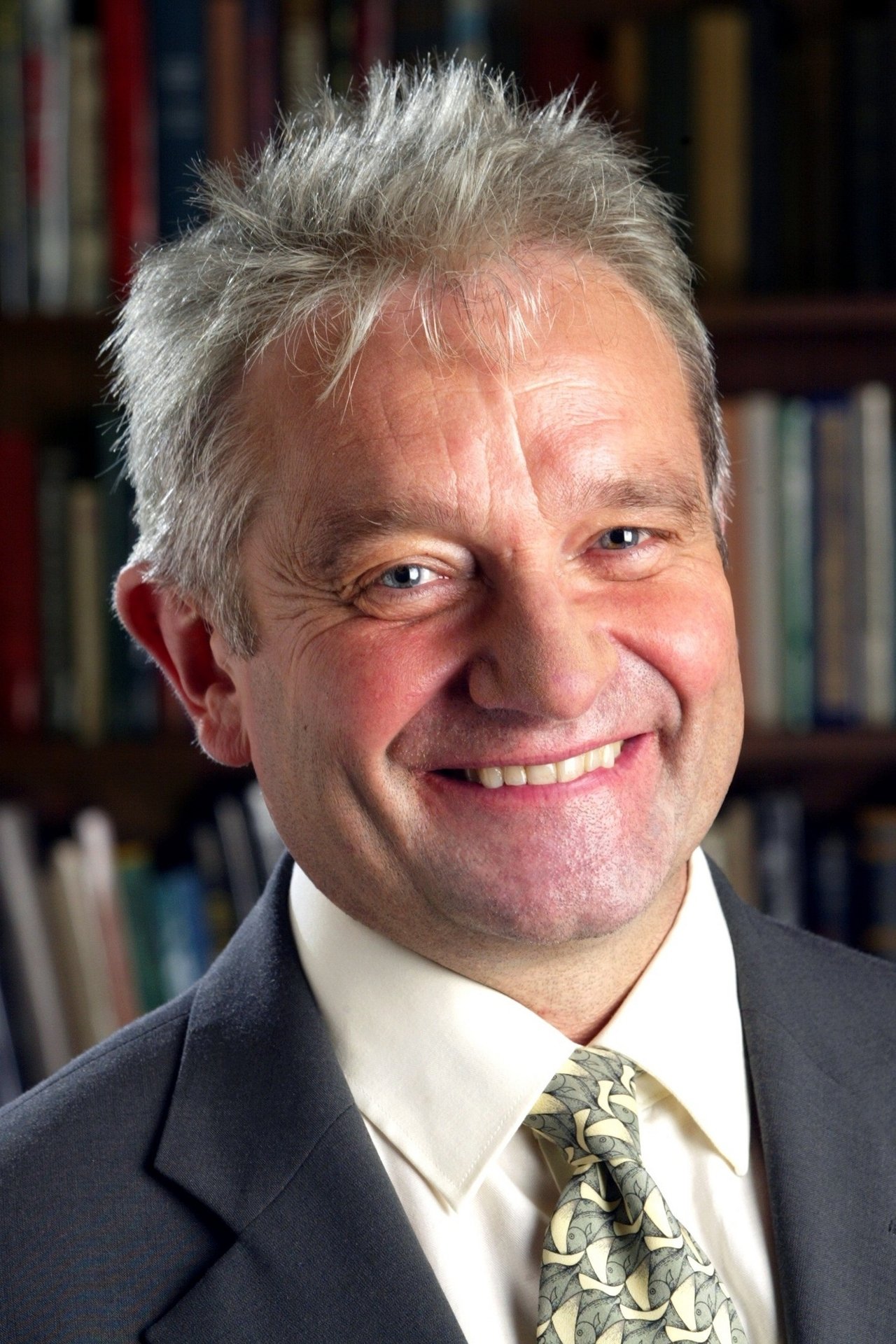
Our lifespan is increasing by 2.5 years every decade - and a third of all babies born today can expect to live to 100. But living longer can come at a cost. Old age itself brings with it a range of debilitating illnesses, many of which are the result of accumulating damage during our lifetime. Three diseases in particular have become the main killers in the developed world - cancer, heart disease and dementia. But a revolution in bio-medicine is now offering new hope for the treatment of these ailments, and the potential to extend our lives still further. Methods such as gene editing and stem cell therapies are transforming the way medicine can conquer disease today. These extreme frontiers of medicine do, however, also come with a range of ethical dilemmas - when is the right time to try out an experimental technique on a patient? Should we gene edit human embryos? And is it right to use cells from aborted foetuses for medical treatments? Guiding us through this fast-moving and complex field is Nobel laureate Sir Paul Nurse, for whom the big question isn't just what science can do to fix our bodies and extend our lives, but whether it's right to use all the tools and techniques available.