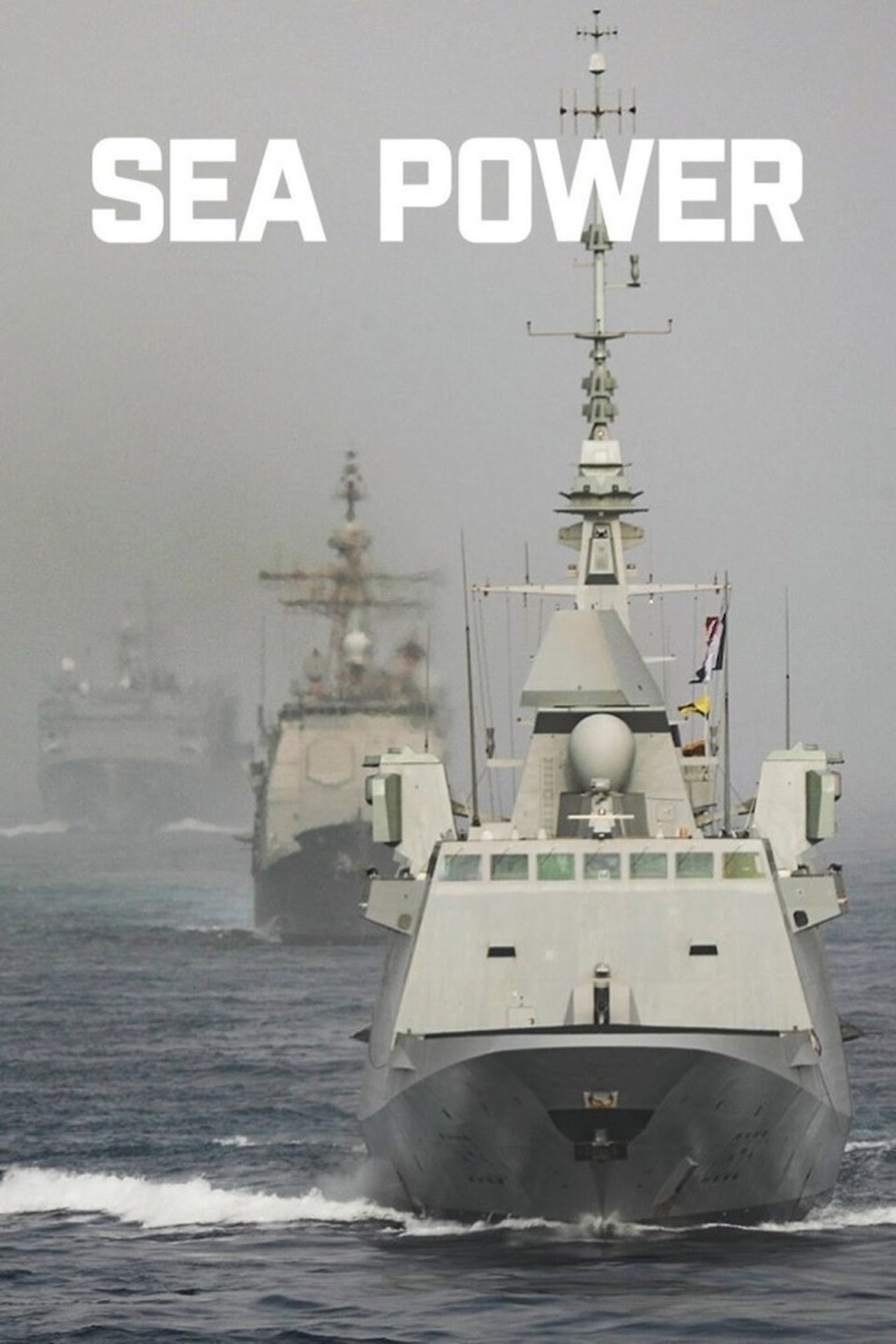
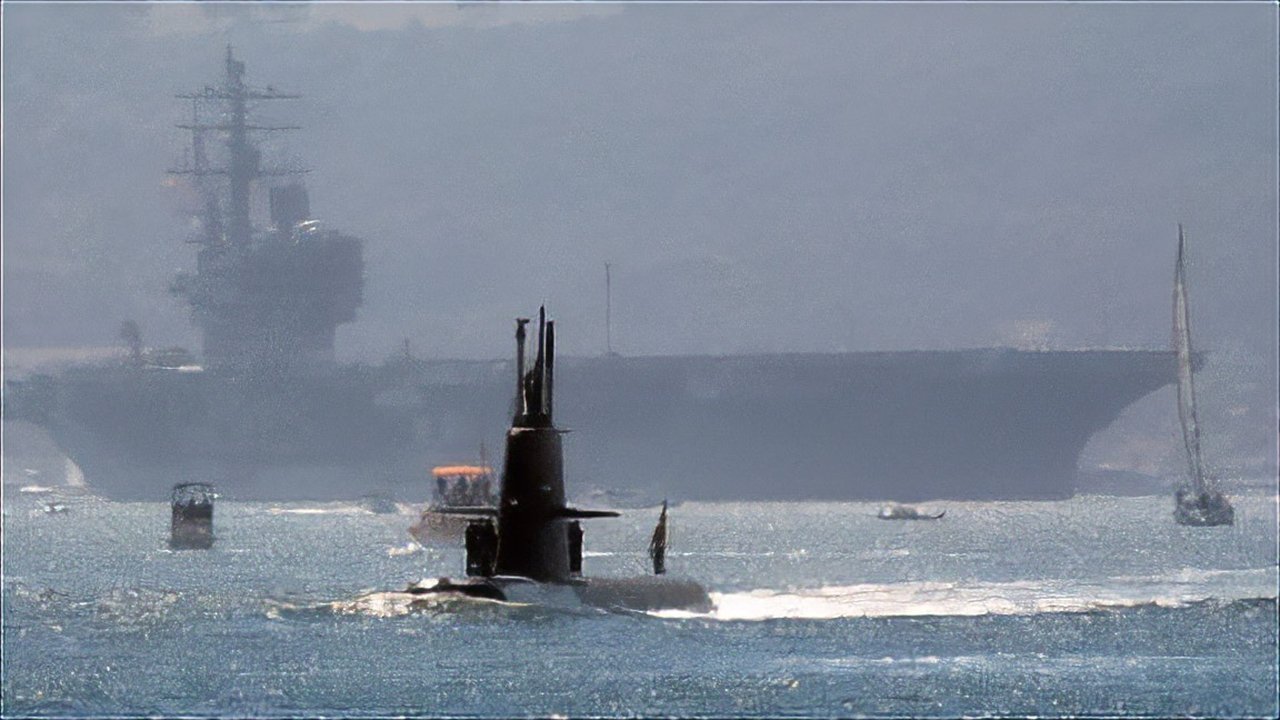
This documentary series delves into the battleships, submarines and aircraft carriers that have changed the history of modern warfare.
Episodes
Ran for 1 season and 4 episodes (2021)
In the United States

Availability data byJustWatch, opens in a new tab
All options, opens in a new tab
Greatest Events of World War II in Colour2019Rating: 8.1 out of 10
World War II: From the Frontlines2023Rating: 8.0 out of 10

World War II with Tom Hanks2026Rating: 8.3 out of 10

Oliver Stone's Untold History of the United States2012Rating: 7.7 out of 10
WWII in Color: Road to Victory2021Rating: 7.6 out of 10
How to Become a Tyrant2021Rating: 7.3 out of 10

Hitler's Circle of Evil2018Rating: 7.2 out of 10
The Vietnam War2017Rating: 8.3 out of 10
Turning Point: The Vietnam War2025Rating: 7.2 out of 10
Five Came Back2017Rating: 7.2 out of 10

Grant2020Rating: 7.4 out of 10
Turning Point: 9/11 and the War on Terror2021Rating: 7.3 out of 10

Trust Me: The False Prophet2026Rating: 7.5 out of 10
Attack on London: Hunting the 7/7 Bombers2025Rating: 7.7 out of 10
Churchill at War2024Rating: 7.6 out of 10

Eli Roth's History of Horror2018Rating: 6.4 out of 10

Last Chance U2016Rating: 7.2 out of 10

Death of the Pastor's Wife2026Rating: 7.4 out of 10
History 1012020Rating: 7.1 out of 10

Amend: The Fight for America2021Rating: 7.1 out of 10Season 1, 4 episodes

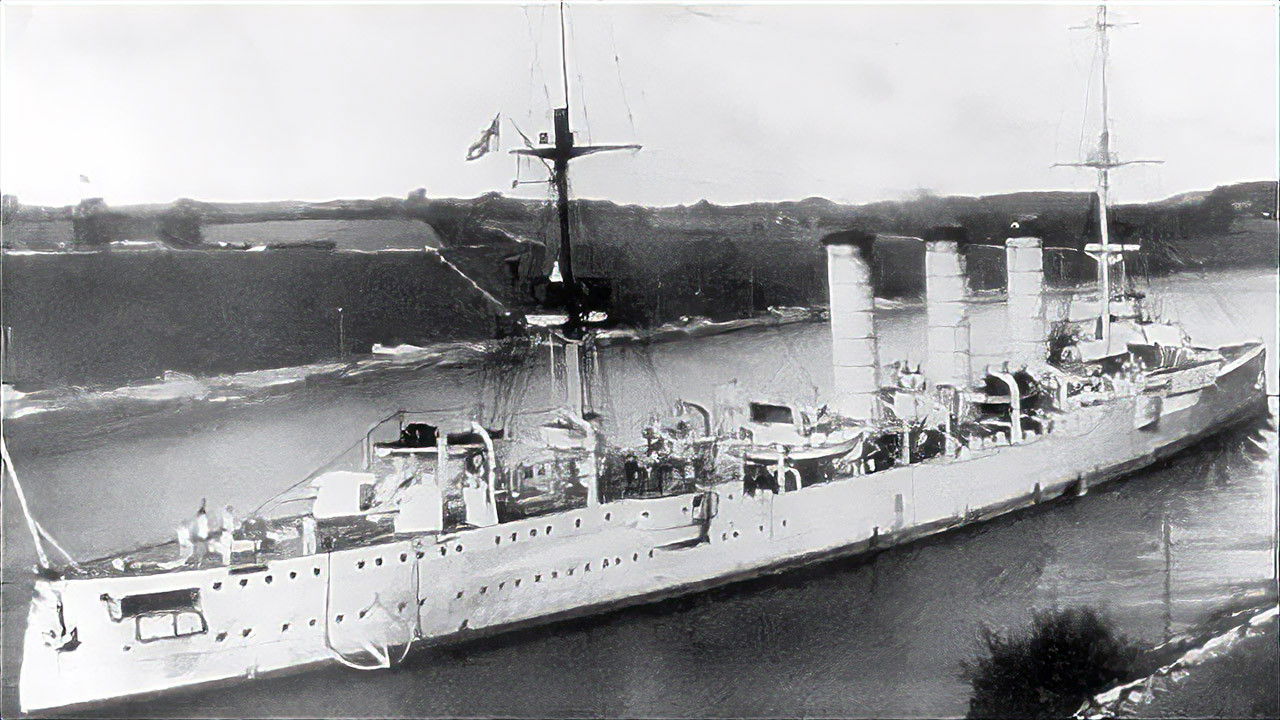
Battleships, submarines and aircraft carriers. In the first episode we witness how warships become a major cause of World War I – and how sailors ultimately help put an end to it. We have a front-row seat for the biggest naval battle of the war and feel the horrors of unrestricted submarine warfare. At the end of the 19th century, the world of warships changed radically: steel replaced wood. On board ships of this era, sailors and officers set sail, facing the enemy and hoping for a safe return. The period is between 1864 and 1918. Steam engines replaced sails, technology and tactics were both improved. In the 20th century, ships have become faster, stronger and deadlier. Soon, a war the likes of which the world had never seen before was brewing. The film depicts the largest naval battle of the First World War and the unrestricted submarine warfare.

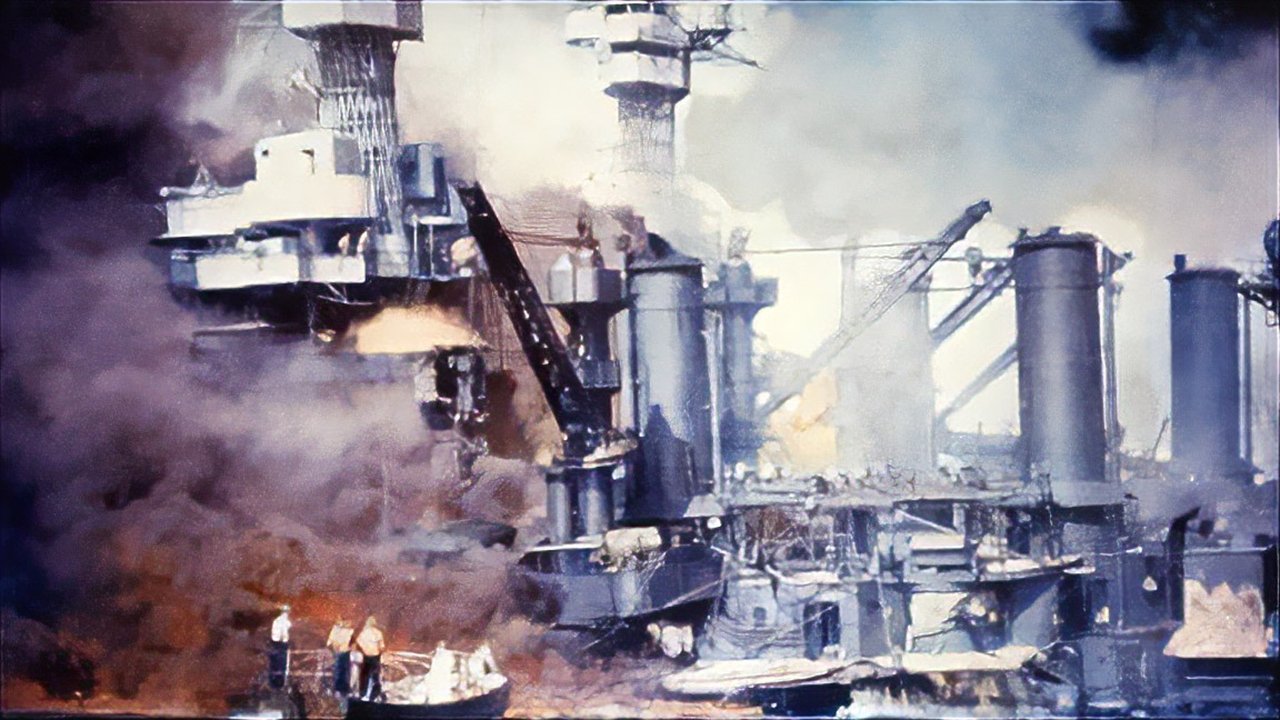
In the second episode we witness the demise of the Imperial German fleet – and the rise of Japan as a major power. Against the backdrop of the deadliest war the world has ever seen, we learn how submarines and aircraft carriers change naval tactics forever. The First World War had barely ended when a new one was announced, one also fought on the oceans. WWII features aircraft carriers, battle cruisers, destroyers, submarines. Naval battles play out on surface, underwater and in the air. The era of battleships ended. Aircraft carriers became the new symbols of power on the seas. U-boats come up against Allied destroyers in the Atlantic, who are armed with hedgehogs and depth charges. Nations staked their futures in naval battles. Warships played a role in the outbreak of the Second World War. The end of the war was ultimately sealed on board a warship.

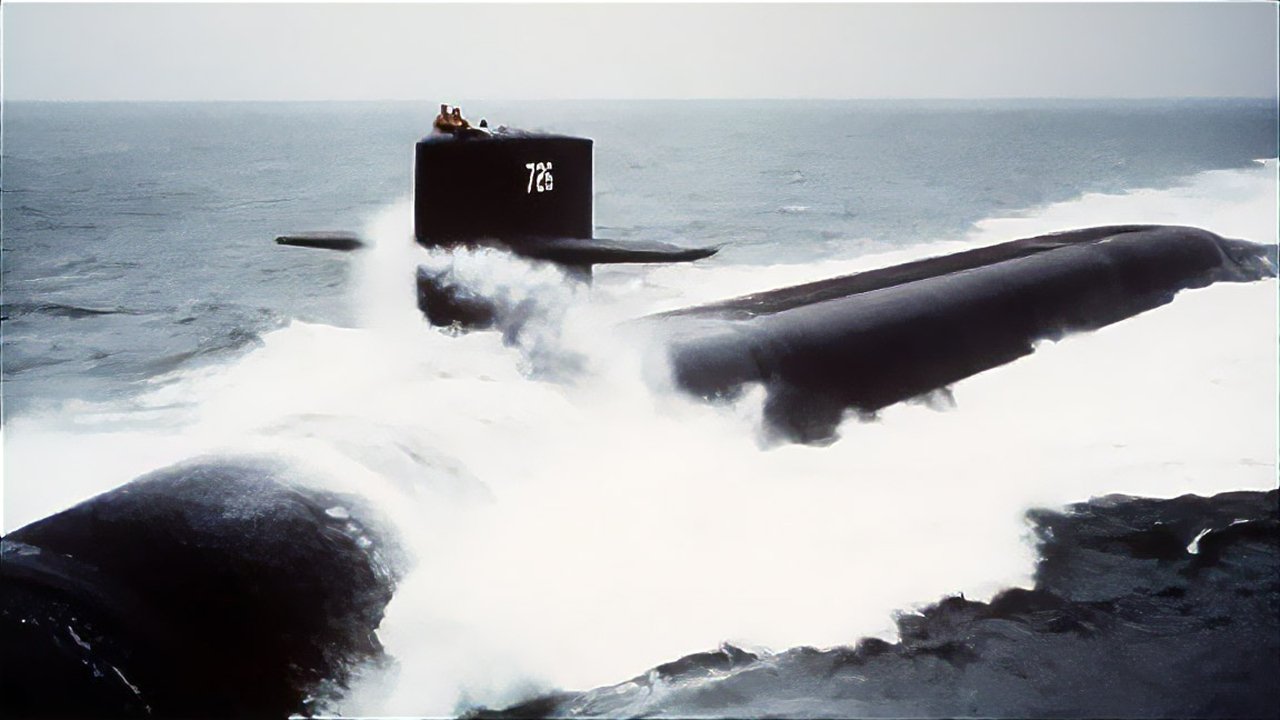
In a moment where a new weapon has potentially made warships irrelevant, they become more important than ever. We are there when nuclear weapons first go to sea, and balance on the knife's edge of mutually assured destruction. With the end of World War II, the future of warships themselves is at stake: The use of atomic bombs calls into question the fundamental utility of warships. Nuclear age brings nuclear powered naval forces: carriers, submarines, frigates. In 1955, first nuclear powered submarine allowed crew to remain underwater forever. Nuclear energy is more than just a weapon: Nuclear-powered ships achieve ranges and speeds like never before. Nuclear-powered submarines can operate almost indefinitely. And remain invisible until they fire their missiles and torpedoes.

In the last episode we venture a glimpse into the future. We see new powers rise – and witness an old power reborn. Finally, we ask ourselves and our characters: In a world where David can take on Goliath, what is the future of warships? The Cold War is over. Only one superpower remains: the United States. As the 21st century arrives, technology takes center stage in marine warfare. Soviet Union has collapsed and US is unchallenged on the seas. Until now, ships fought against ships. But what happens when new enemies break traditional rules? In the age of asymmetric warfare, insurgent groups fight against nations. Terrorism emerges as a new enemy. Technology is the tool against terrorism. New powers rise, old ones are reborn. China is a rising power. Submarine robots and drones offer a glimpse into the future of warships.