No overview is available yet.
Episodes
Ran for 1 season and 6 episodes (2017)
In the United States


Availability data byJustWatch, opens in a new tab
All options, opens in a new tab
History 1012020Rating: 7.1 out of 10
Mind Field2017Rating: 8.2 out of 10

Last Chance U2016Rating: 7.2 out of 10
The Walking Dead: Origins2021Rating: 7.7 out of 10

1971: The Year That Music Changed Everything2021Rating: 7.6 out of 10

The Last Movie Stars2022Rating: 7.0 out of 10

The Mind, Explained2019Rating: 7.5 out of 10

Visible: Out on Television2020Rating: 6.7 out of 10

Dear Mama2023Rating: 8.6 out of 10
Mammals2024Rating: 8.4 out of 10

Wu-Tang Clan: Of Mics and Men2019Rating: 7.4 out of 10

Trust Me: The False Prophet2026Rating: 7.5 out of 10

Kylie2026Rating: 8.7 out of 10

World War II with Tom Hanks2026Rating: 8.3 out of 10

Cursed Films2020Rating: 7.1 out of 10

The New York Times Presents2020Rating: 7.0 out of 10

Medal of Honor2018Rating: 6.5 out of 10

The Idaho Murders: College Nightmare2026Rating: 6.8 out of 10

Drug Lords2018Rating: 7.3 out of 10
Love Has Won: The Cult of Mother God2023Rating: 7.0 out of 10Season 1, 6 episodes

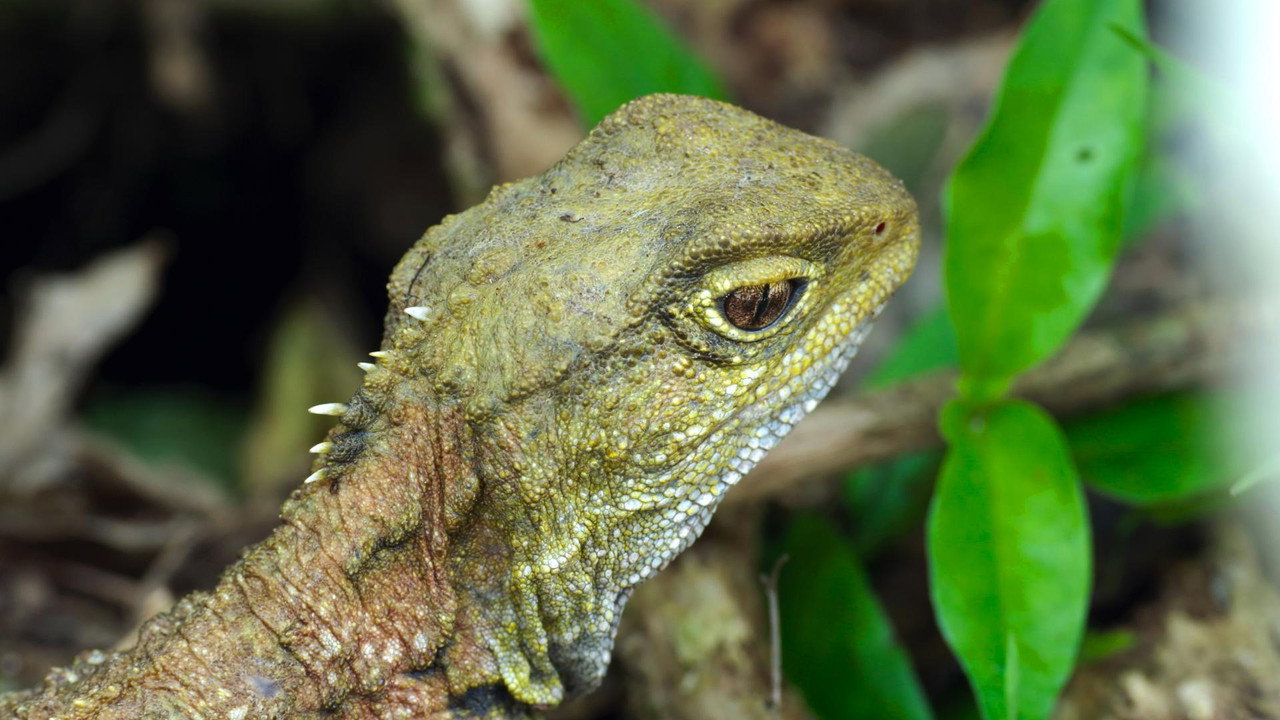
With a third eye, razored back, and other bizarre adaptations, New Zealand’s tuatara outlasted not just the dinosaurs . . . but the rest of its family. Journeying from an isolated South-Pacific refuge to the crocodile-infested estuaries of northern Australia, we’ll unlock the mystery of how the Tuatara survived to the present day.

The Kiwi is a bird that has thrown out the rulebook of bird biology. It doesn’t fly, lives in the dark, and resembles a mammal more than anything bird-like. Since the introduction of rodents, this national symbol has faced an existential threat. But how did a flightless bird find itself on islands in the middle of the ocean? From the rainforests of Australia to ancient caves in one of New Zealand’s wildest places, we discover how the secret to the kiwi’s success may have become its gravest threat.

From frost-bitten geckos, glittering underground predators and the world’s most intelligent parrot, New Zealand challenges its animals to adapt or die. With volcanoes rising from beneath the sea and mountains that grow like fingernails, how has New Zealand’s wildlife adapted to one of the most unstable places on earth?

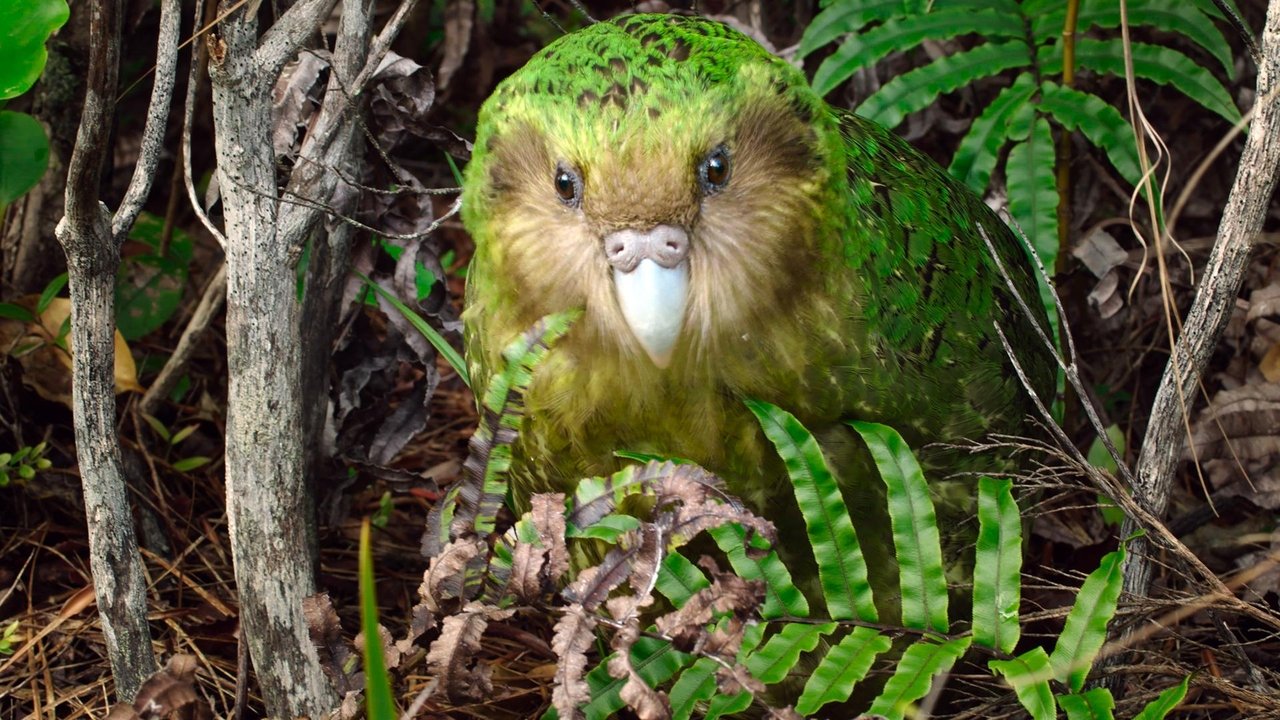
Most parrots are colourful and fly in massive flocks - New Zealand’s kakapo breaks all the rules. Kakapo are not only the world’s largest parrots, they’re the only nocturnal species. These birds can’t fly; to reach their food in the treetops, they climb their way up using their beaks. They’ve been called the strangest parrot in the world. We’ll venture to one of its last refuges – the windswept bush of Codfish island. With only 154 kakapo left, a hardy team of researchers is attempting to preserve this dying lineage in a race against the clock.

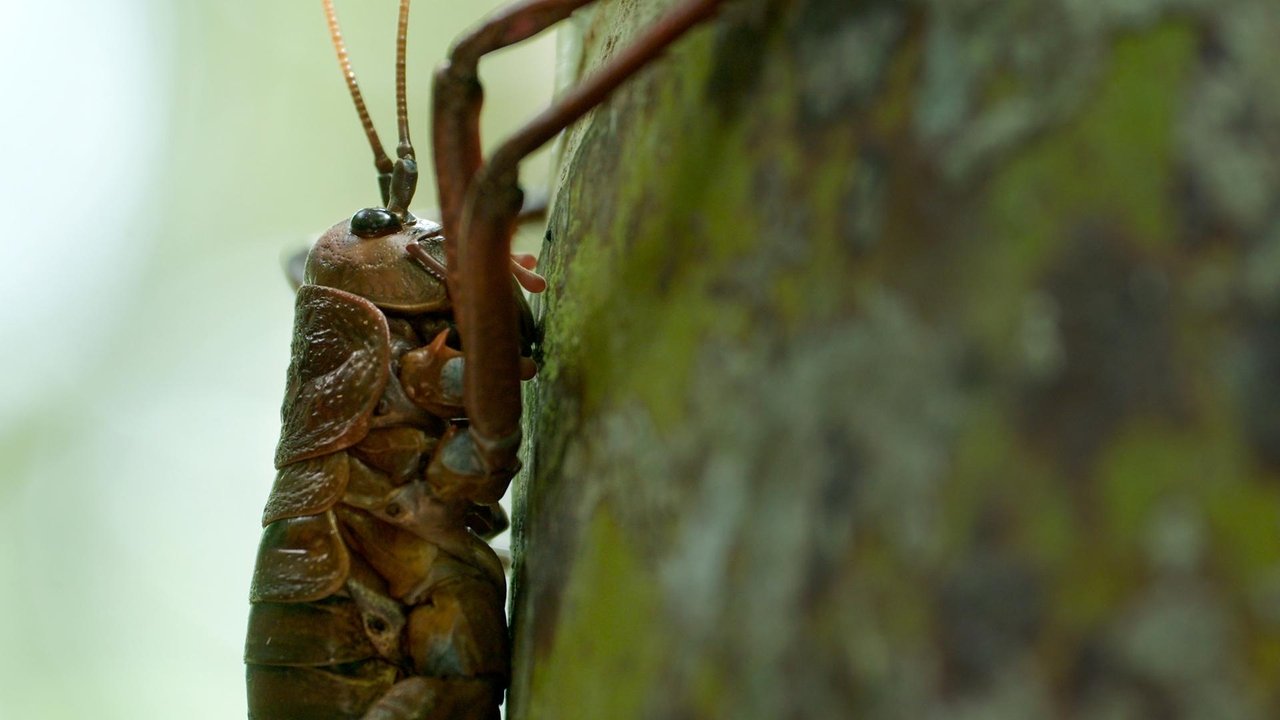
In New Zealand, a spikey grasshopper-like creature, the Giant Weta, can grow as big as a rat. These islands are home to some of the biggest birds ever known, giant centipedes and carnivorous snails, and a two metre long lake monster capable of slithering its way across beaches – the gigantic longfin eel. What advantage would animals have to grow so large? And why did Australia become a land of giant marsupials, while New Zealand developed giant birds, insects, and fish?

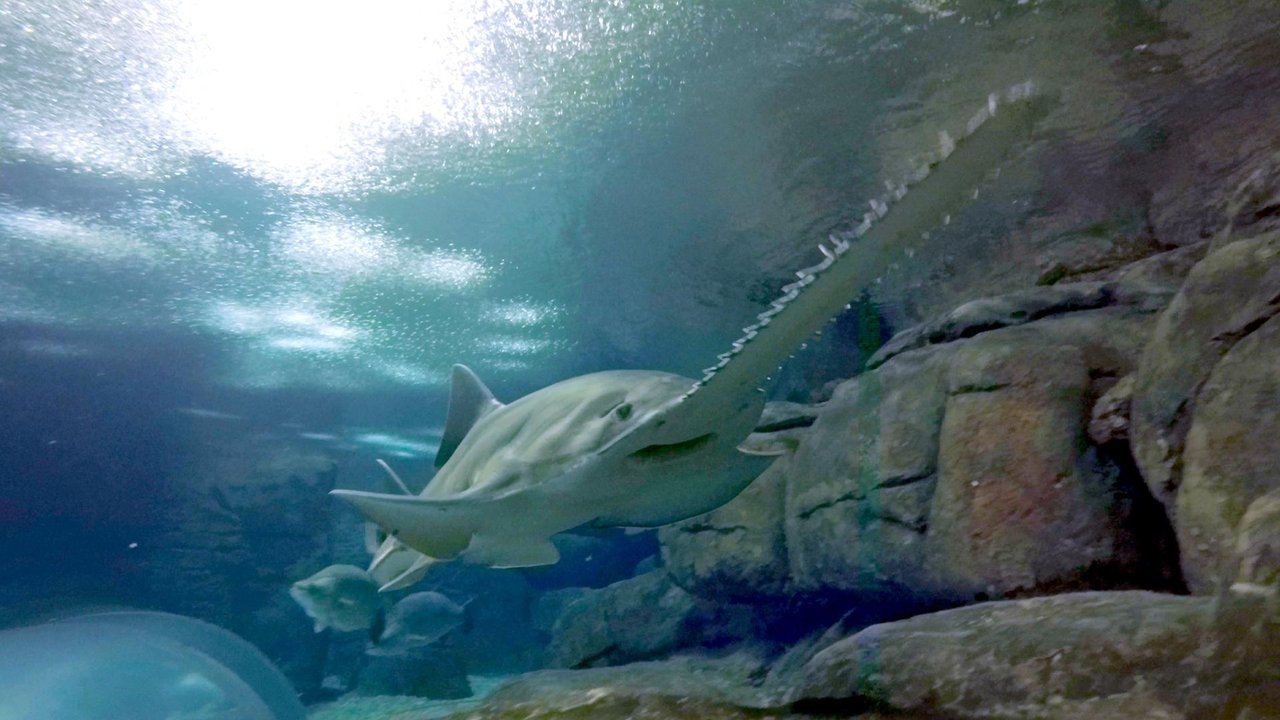
In Milford Sound – the “Eighth Wonder of the World” - survey teams discover some of the ocean’s most primitive sharks. These cold waters hold an unusual secret that tricks deep sea creatures into living near the surface. We’ll also discover ancient whale bones deep in mountain valleys, and journey to an earthquake-rattled region where the sea floor has literally uplifted.