No overview is available yet.
Episodes
Ran for 1 season and 6 episodes (2009)
Top Gear1978Rating: 8.0 out of 10
Eli Roth's History of Horror2018Rating: 6.4 out of 10
History 1012020Rating: 7.1 out of 10
JANET JACKSON.2022Rating: 7.5 out of 10
Deadly Women2005Rating: 7.9 out of 10
Last Chance U2016Rating: 7.2 out of 10

Biography1987Rating: 6.7 out of 10
World War II with Tom Hanks2026Rating: 8.3 out of 10
Into the Unknown: Making Frozen II2020Rating: 7.0 out of 10

Earth at Night in Colour2020Rating: 8.1 out of 10
MegaStructures2004Rating: 7.5 out of 10
Kylie2026Rating: 8.7 out of 10
Marvel's 6162020Rating: 7.4 out of 10
Super/Natural2022Rating: 7.3 out of 10
Hulk Hogan: Real American2026Rating: 7.5 out of 10
The Walking Dead: Origins2021Rating: 7.7 out of 10

Welcome to Earth2021Rating: 7.6 out of 10
Mind Field2017Rating: 8.2 out of 10
Captains of the World2023Rating: 8.4 out of 10
Trust Me: The False Prophet2026Rating: 7.5 out of 10Season 1, 6 episodes

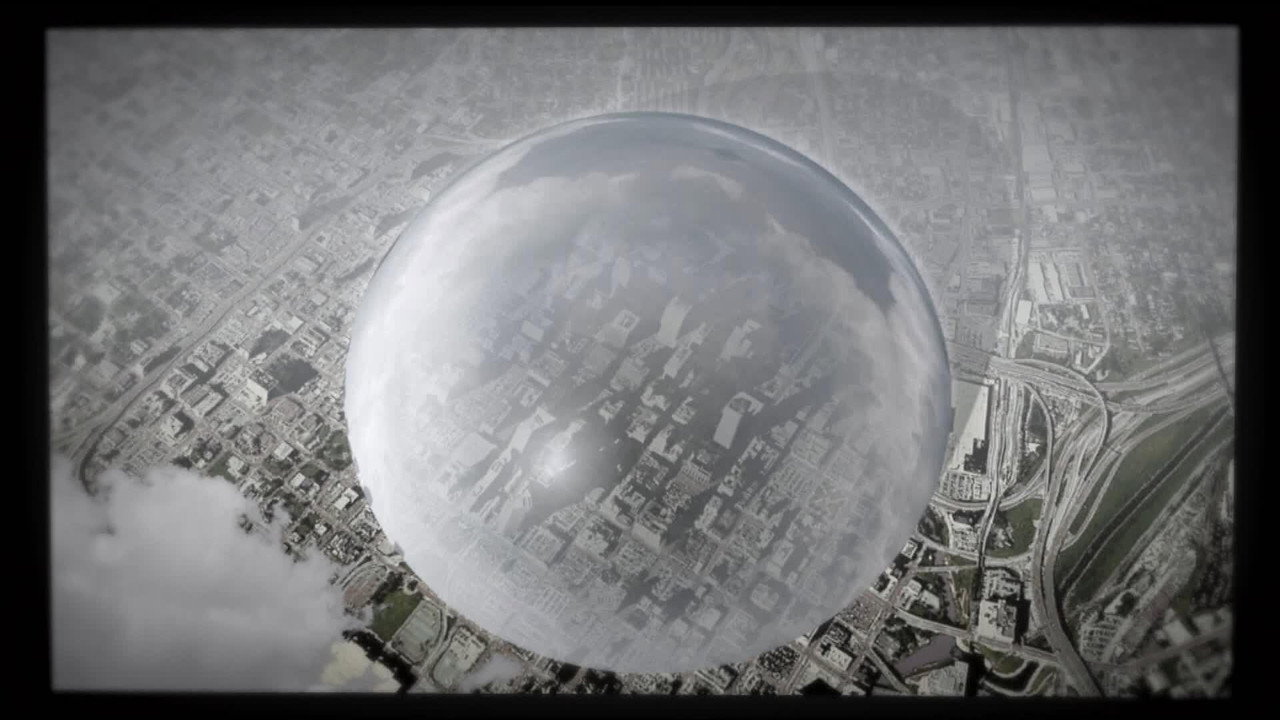
Houston, Texas is in peril. The country's fourth most populous city faces hurricanes, heat, and the growing consequences of global warming. Only a radical solution can save the city, a solution that may lie with a massive dome, 1,500 feet high and a mile in diameter that will rise over the city center. To build the dome will require innovative engineering and construction on an unprecedented scale, with lessons, materials, and techniques drawn from around the world. From the Eden Project, the world's largest geodesic domes, to a tiny factory in Bremen, Germany, which manufactures a revolutionary plastic, the idea of a city-sized dome could finally become a reality.

The Bering Strait tunnel would connect Russia and Alaska, creating a high-speed rail line, freight route, and a crucial oil pipeline. Twice as long as the channel tunnel, it would be the most ambitious and expensive tunneling project ever attempted. To build it, massive Tunnel Boring Machines would start on both sides of the strait -- 64 miles apart -- and meet in the middle. On either side, workers would lay almost 4,000 miles of railway to connect the nearest rail heads to the tunnel. All this would have to be built in some of the most difficult conditions anywhere on the planet: permafrost regions, mountains and summer swamps, and an entire region known for frequent large magnitude earthquakes that put everything, and everyone, at constant risk.

New Orleans is under siege. Devastating floods caused by global warming and rising sea levels have brought the city to its knees. The old defenses -- levees and canals -- can't be counted on any longer. But surprisingly, some engineers are saying the only way for New Orleans to escape the water is to build a floating city: a New New Orleans, buoyed up by the water, not drowning under it. Long a dream for engineers, science has finally caught up theory. Innovations in nautical design, material science, and maritime construction have made it possible. But much more remains to be done. The city will have to survive killer waves, repel pirate attacks, and dodge hurricanes. The stakes are sky high, but the Big Easy is up to the challenge.
Shanghai faces a double crisis: overpopulation and urban sprawl. The Chinese are running out of room no matter how fast they build, so the city may implode. Under this crushing growth, Shanghai's economy, the health of its people, and the city's stability all lie in the balance. The solution could be building up, not out. And that could mean constructing the planet's tallest tower - at one mile high, it will be the world's first moving, breathing building. But to build it, engineers will have to overcome incredible obstacles and revolutionize the way we construct skyscrapers. Cable-less elevators would have to be invented, farms that grow inside buildings would be engineered, and windows that breathe and think for themselves could be created.
Chicago, Illinois is home to some of the country's most iconic skyscrapers, but with downtown real estate at a premium and with commuting times among the nation's worst, some have proposed a new solution: an Underground City. By building 1,000 feet directly beneath the Loop, the city could solve its space crunch and provide homes, offices, and more to tens of thousands of people. Drawing on lessons learned in Moscow - home to the world's deepest subway system - and Amsterdam - where planners hope to build beneath the city's canals, an underground city beneath Chicago is not only technologically possible, but might one day be necessary.
Washington DC is a true traffic nightmare. Commuters waste 150 million hours a year in traffic, costing an estimated USD$2.5 billion in wasted fuel and lost time. City planners are out of options. Buses pollute and only add to the traffic mess. And the city can't expand its overworked Metro subway system fast enough to meet demand. But help may be on the way in the form of Personal Pods. It's a high-speed, non-stop, self-driving transit system that's been the Holy Grail for transportation engineers for half a century. An automated Personal Pod system would rewrite the rules of the road in DC, and be a model for new transportation systems worldwide.