A look at the impact of television on British culture.
Episodes
Ran for 1 season and 6 episodes (2008)
Dominic SandbrookHimself
Stephen ManganHimself - Narrator
Nicky CampbellHimself
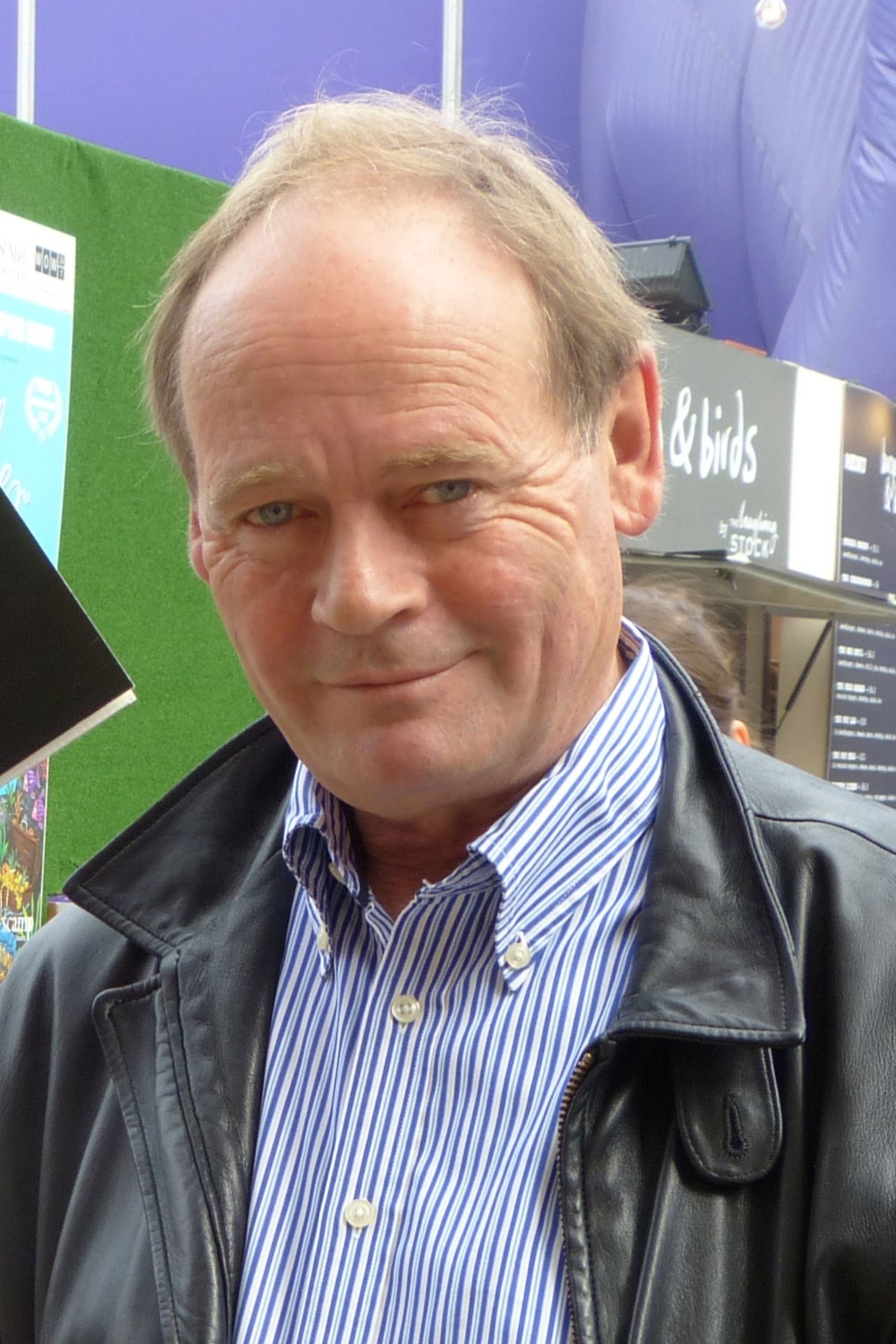
John LloydHimself

Barry CryerHimself
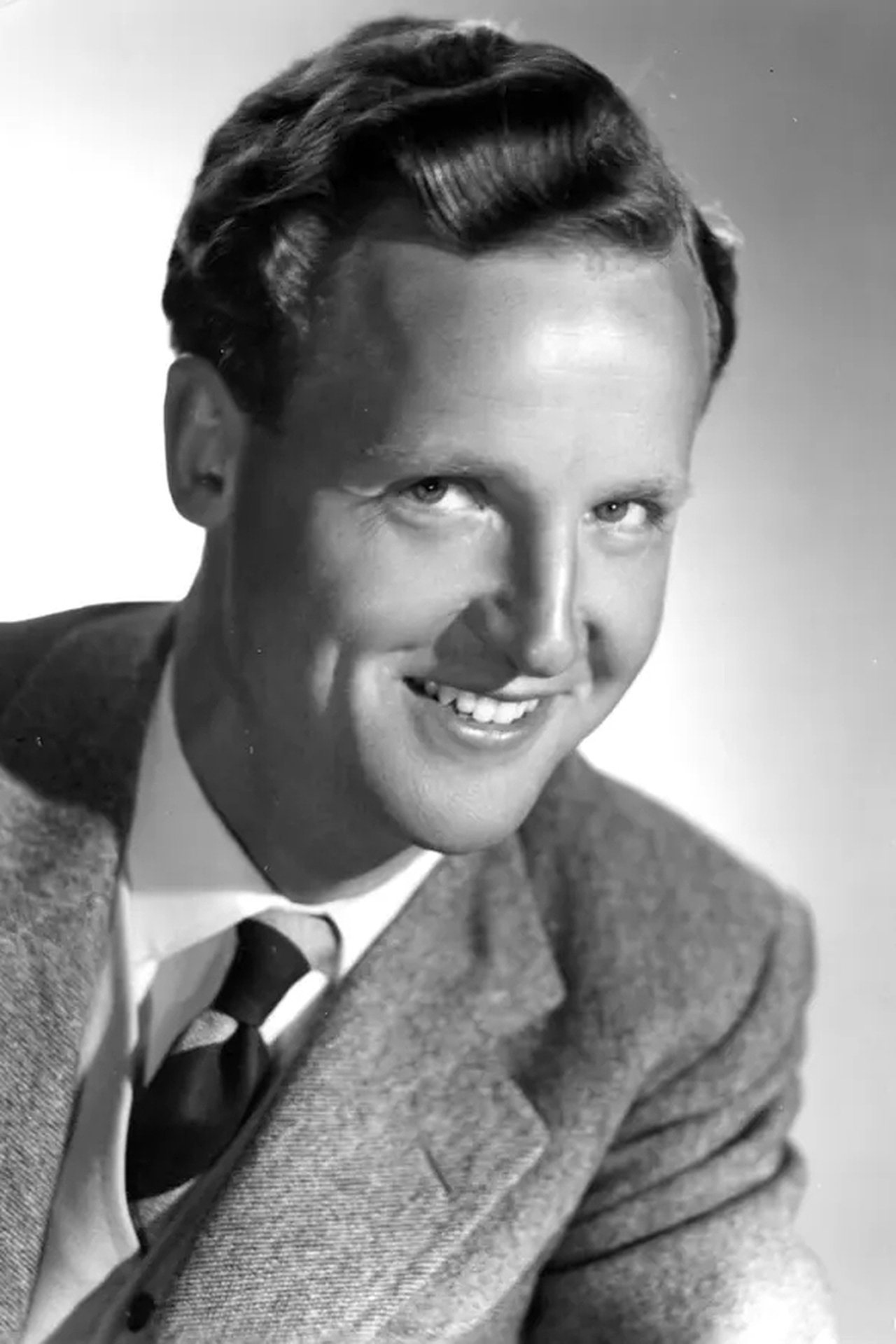
Nicholas ParsonsHimself
Peter BazalgetteHimself
Bamber GascoigneHimself

John HumphrysHimself
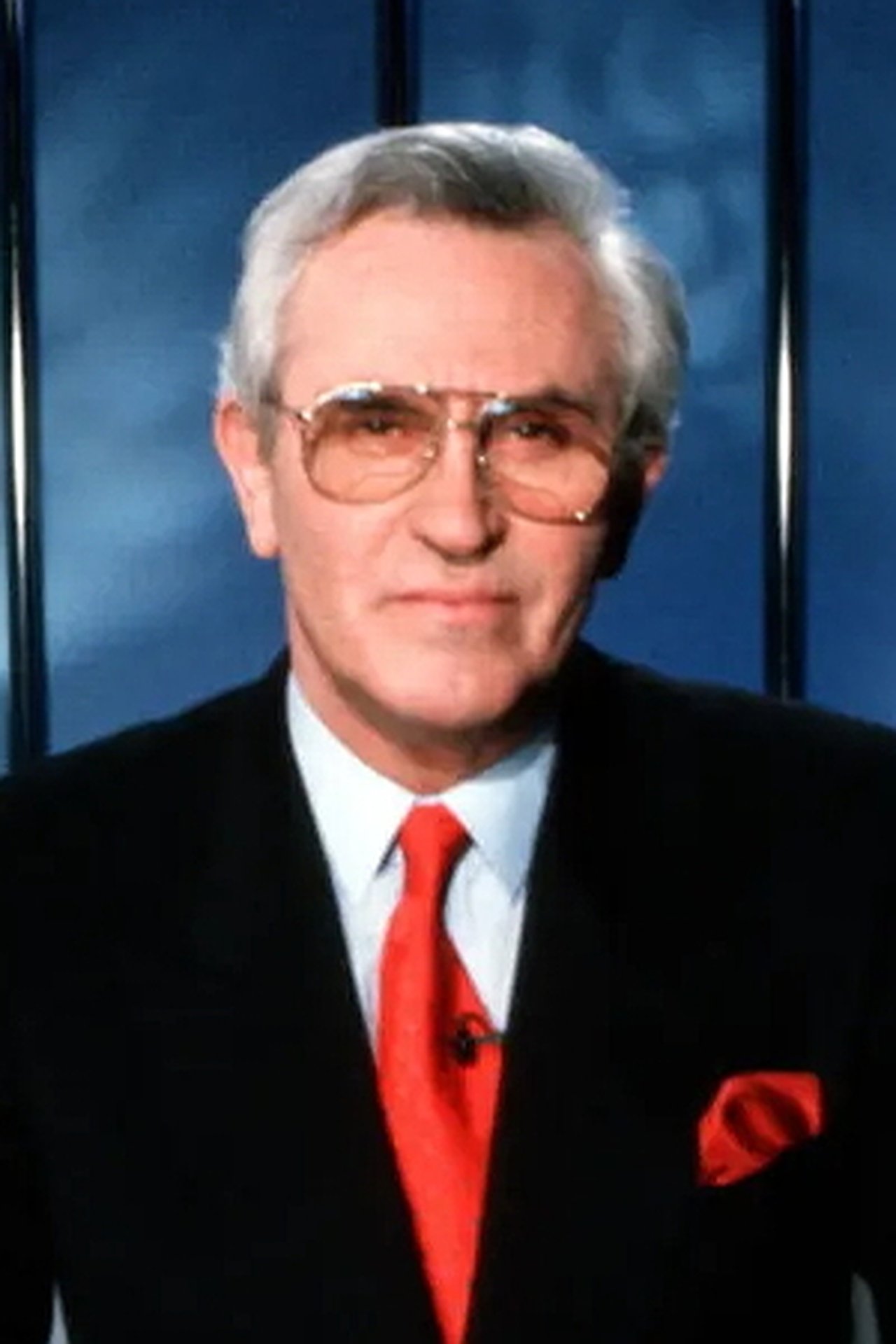
William G. StewartHimself

Carol VordermanHerself
Chris TarrantHimself
Biography1987Rating: 6.7 out of 10
Doctor Who Confidential2005Rating: 8.0 out of 10
The Reluctant Traveller with Eugene Levy2023Rating: 7.5 out of 10
Baseball1994Rating: 7.6 out of 10
The Story of Film: An Odyssey2011Rating: 7.7 out of 10
Marvel's 6162020Rating: 7.4 out of 10
The World According to Jeff Goldblum2019Rating: 6.6 out of 10

How Do They Do It?2006Rating: 7.5 out of 10
Horizon1964Rating: 7.5 out of 10
Behind the Attraction2021Rating: 7.4 out of 10
Animal2021Rating: 8.0 out of 10
Earth at Night in Colour2020Rating: 8.1 out of 10
30 for 302009Rating: 7.5 out of 10

How It's Made2001Rating: 7.7 out of 10
Into the Unknown: Making Frozen II2020Rating: 7.0 out of 10
Inside Pixar2020Rating: 6.7 out of 10
The Men Who Built America2012Rating: 8.0 out of 10

NOVA1974Rating: 7.1 out of 10

Welcome to Earth2021Rating: 7.6 out of 10
The Imagineering Story2019Rating: 8.1 out of 10Season 1, 6 episodes
The impact of television on 20th-century entertainment and British culture, examining how cop dramas such as The Sweeney and Dixon of Dock Green affected the relationship between police and the public.
The role of TV documentaries like The Family, and reality shows such as Airport and Big Brother, in eroding the distinction between celebrities and ordinary people. The programme considers whether this is a welcome democratisation of fame or just provides opportunities for irritating self-obsessed amateurs to flood the small screen.
There's a warm sense of superiority watching this archive show, as we gaze back on the hopelessly patronising image of women projected by postwar television, with wives as homemakers judged (in plummy male voiceovers) on how tasty their pies looked or how clean their whites were. Ah, how we chuckle at the follies of the past. But the feeling doesn't last long, because the images from recent TV of women being kneaded and bullied in shows like What Not to Wear and Ten Years Younger don't reflect too well on us, either. It's not hard to imagine a clip show of the future getting hold of Anthea Turner: Perfect Housewife and wondering what on earth we noughties viewers were thinking. The programme enjoyably charts the progression of women on TV via a series of heroines, including Elsie Tanner, the Liver Birds, Angela Rippon and Prime Suspect's Jane Tennison (Helen Mirren). It grossly maligns The Sweeney and skips over the 1980s altogether, but it's well worth it for the cracking clips.
The series continues with a look at the explosive popularity of home improvement and property shows such as Changing Rooms and Location, Location, Location. The programme questions whether this increasingly accessible genre has contributed to the current crash in the market, and the nationwide obsession with property.
TV and teenagers have grown up together. This film examines TV's attempts to represent teenage reality, and also its willingness to engage with teenage life when others were running scared. Programmes such as Grange Hill and The Word in the early days, and more recently Skins, have consistently created a space for teenagers in the mainstream TV medium.
A light-hearted look at the history of quiz and game shows on British tv and their reflection of our ever-changing social and political times. What was the first quiz show on tv like? Why did "Mastermind" give way to "Who Wants to be a Millionare?" What was the appeal of "Countdown"? Includes comments from the shows' presenters, writers and producers.