The timeless heart of Japan's ancient capital. Against its rich backdrop of culture and tradition, today's Kyoto continues to innovate and inspire.
Anthony Bourdain: Parts Unknown2013Rating: 7.7 out of 10

Doctor Who Confidential2005Rating: 8.0 out of 10

Baseball1994Rating: 7.6 out of 10
Man vs. Wild2006Rating: 7.1 out of 10
Nature1982Rating: 7.9 out of 10
Behind the Attraction2021Rating: 7.4 out of 10
Street Food: Asia2019Rating: 7.7 out of 10
Paranormal Witness2011Rating: 7.5 out of 10

Files of the Unexplained2024Rating: 6.6 out of 10
10 Years with Hayao Miyazaki2019Rating: 7.7 out of 10
James May's Cars of the People2014Rating: 7.8 out of 10
Blue Planet II2017Rating: 8.6 out of 10
Natural World1983Rating: 7.4 out of 10

How Do They Do It?2006Rating: 7.5 out of 10
How It's Made2001Rating: 7.7 out of 10
The Green Planet2022Rating: 8.8 out of 10

NOVA1974Rating: 7.1 out of 10
Biography1987Rating: 6.7 out of 10
The Crocodile Hunter1997Rating: 7.6 out of 10

Earth at Night in Colour2020Rating: 8.1 out of 10Season 14, 12 episodes

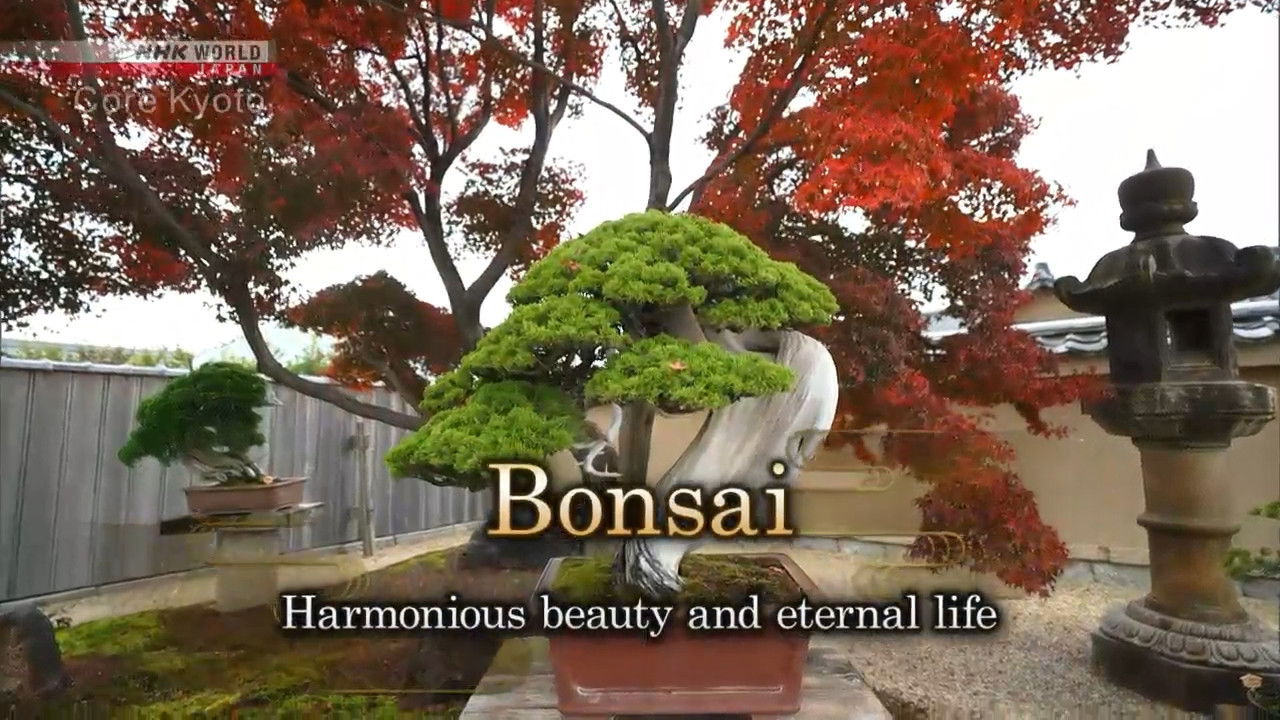
Bonsai came from China over 1000 years ago, evolving into a unique artform. In Kyoto, the emphasis is on beauty and harmony in space, the same aesthetic that flows through ikebana and the Way of Tea.

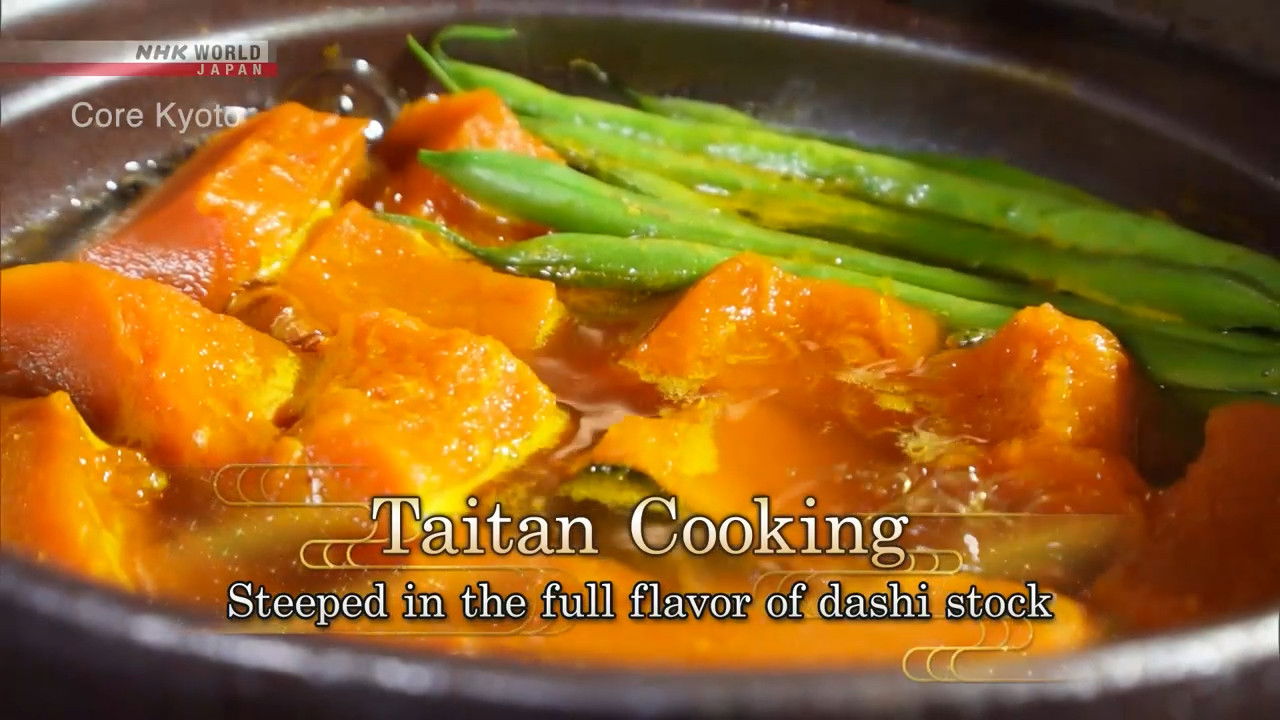
Taitan is Kyoto-style cuisine in which seasonal heritage vegetables are simmered until they are infused with dashi stock. The method evolved from vegetarian dishes made at Kyoto's Buddhist temples.

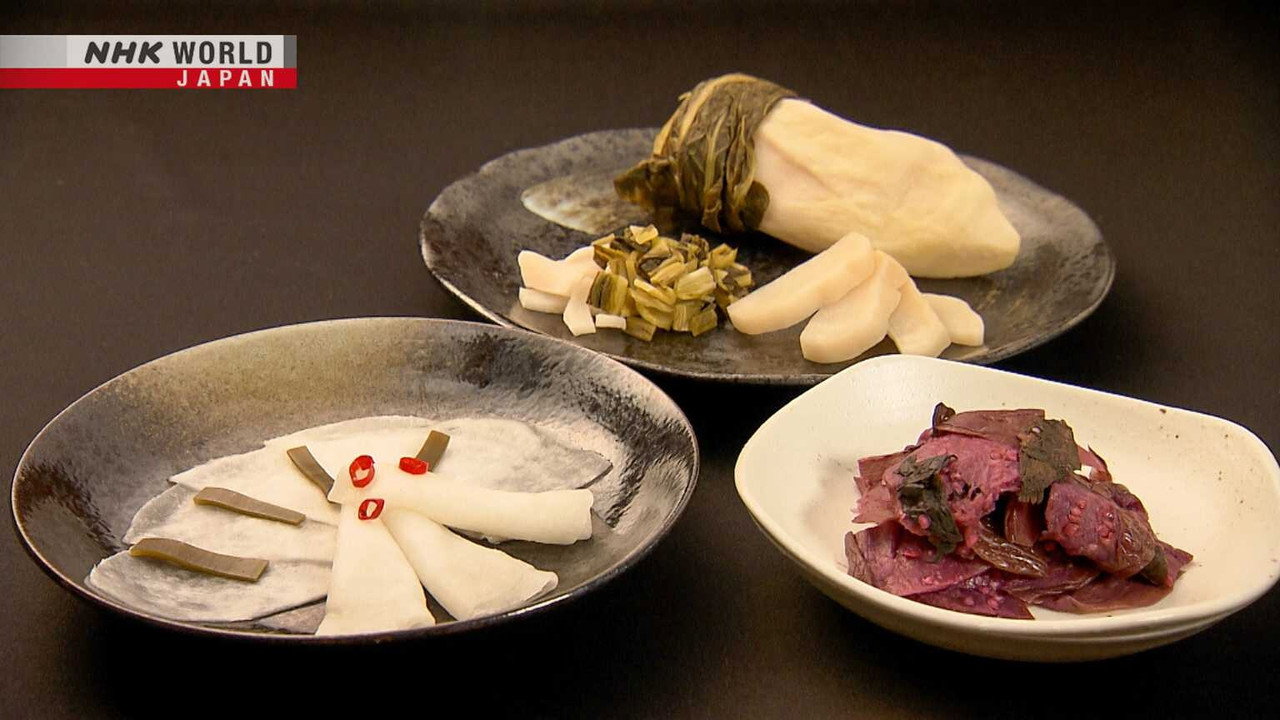
Traditional Tsukemono, or pickles, preserve centuries of wisdom, allowing the vegetables' inherent flavors to shine. Picklers uphold tradition while embracing new challenges for modern tastes.

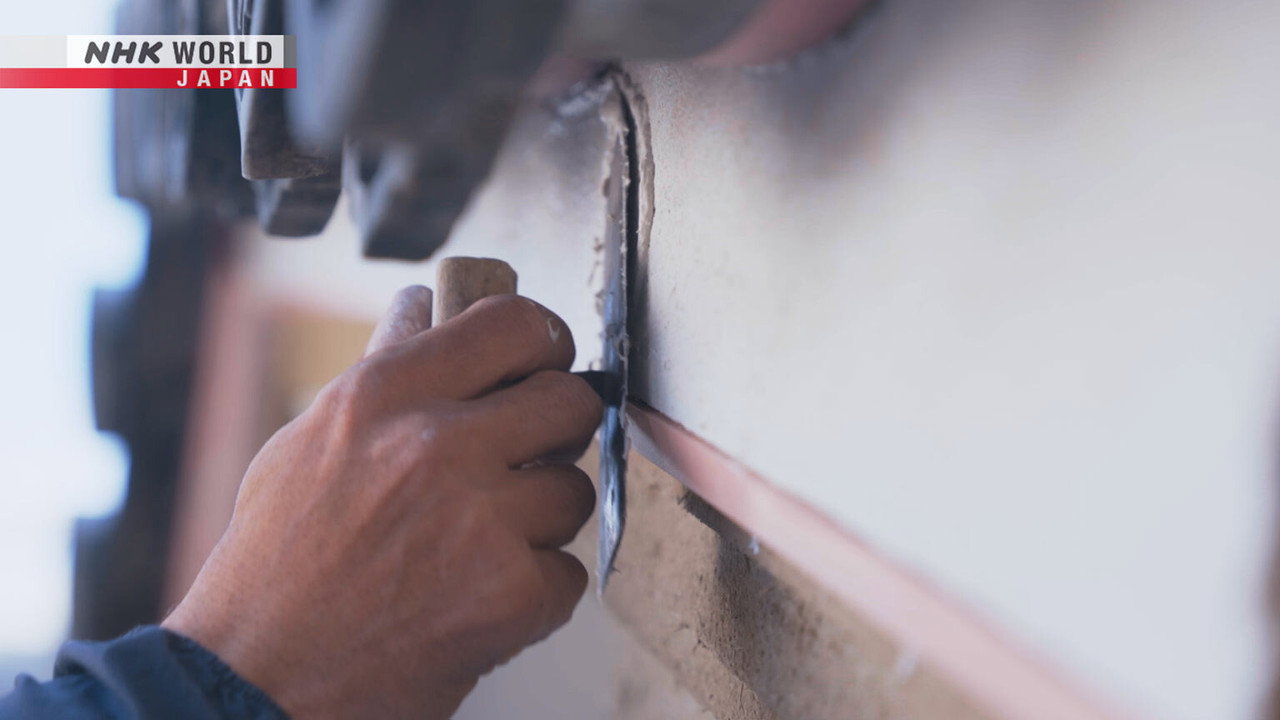
Specialists rebuild a sturdy, mud-walled storehouse to safeguard cultural assets, scientifically examine plastering techniques, and strive to incorporate wattle and daub walls into modern structures.

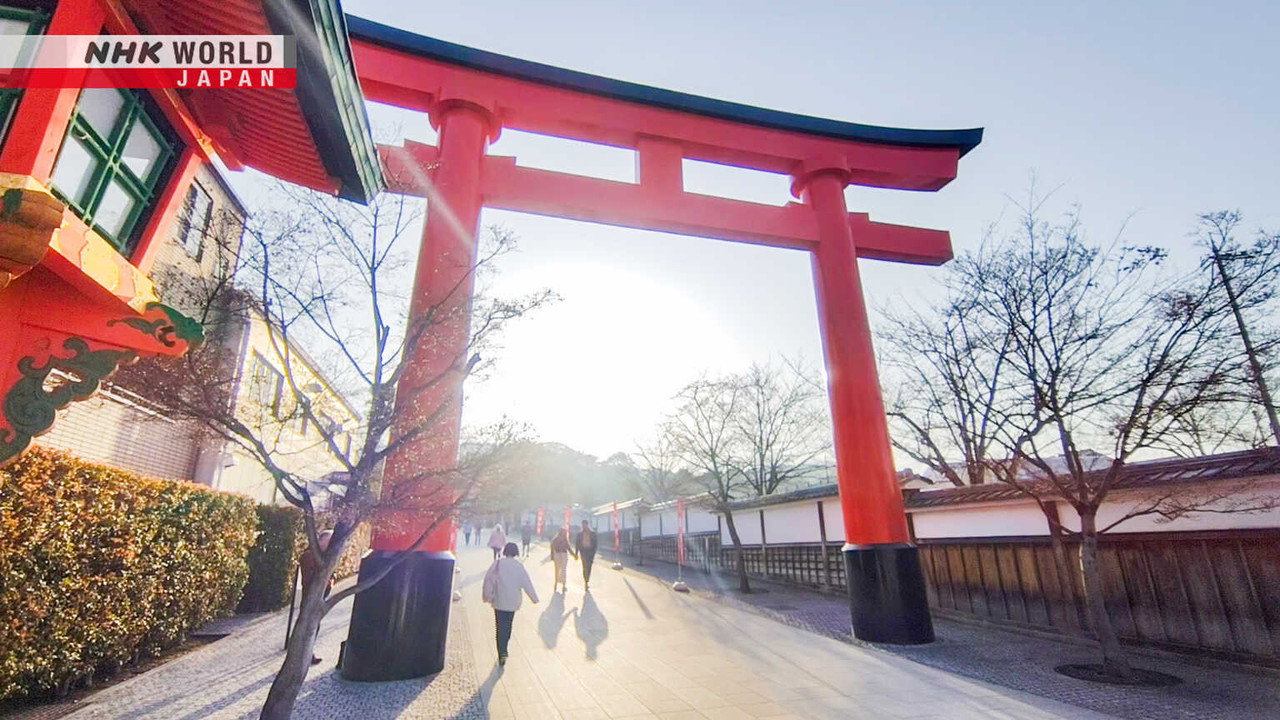
Kyoto is implementing measures to ease congestion at peak hours and combat over-tourism. One way encourages visitors to discover the city's true charm in the early morning, before the crowds arrive.

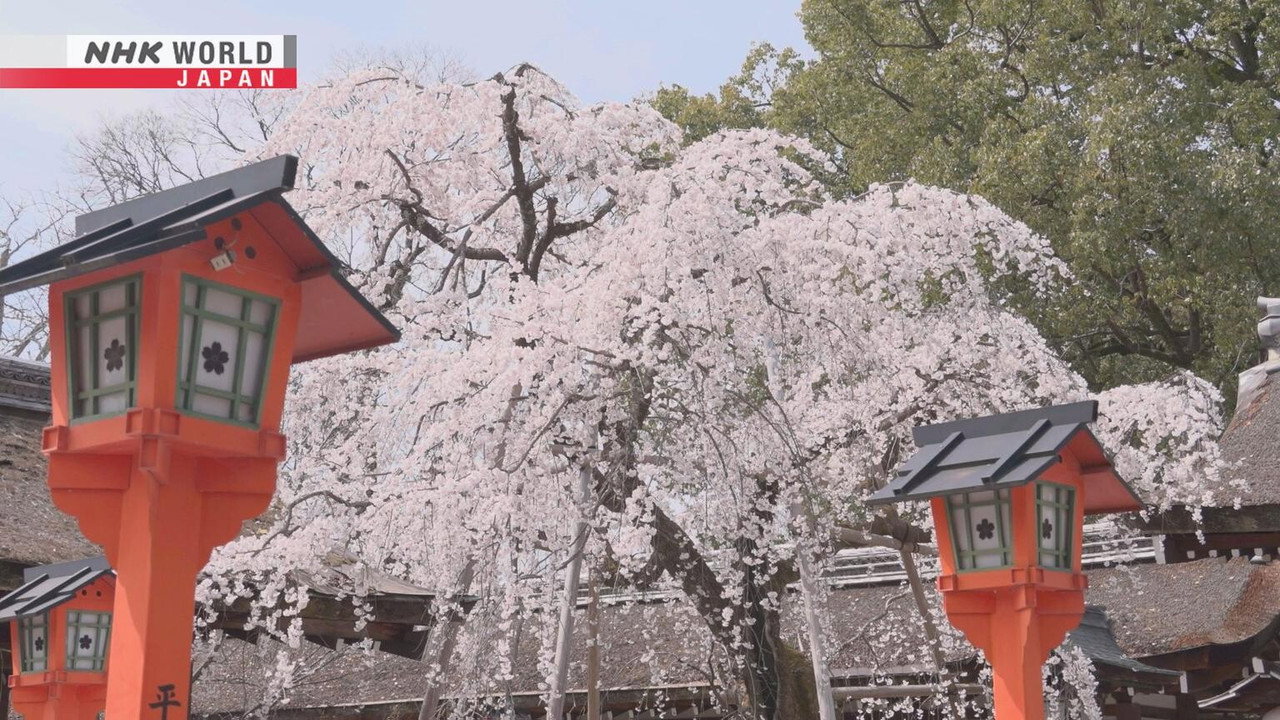
Tales of Kyoto's cherry blossoms have survived centuries. These stories are reframed by every generation. Through them, people appreciate the importance of living with nature and the joy of spring.

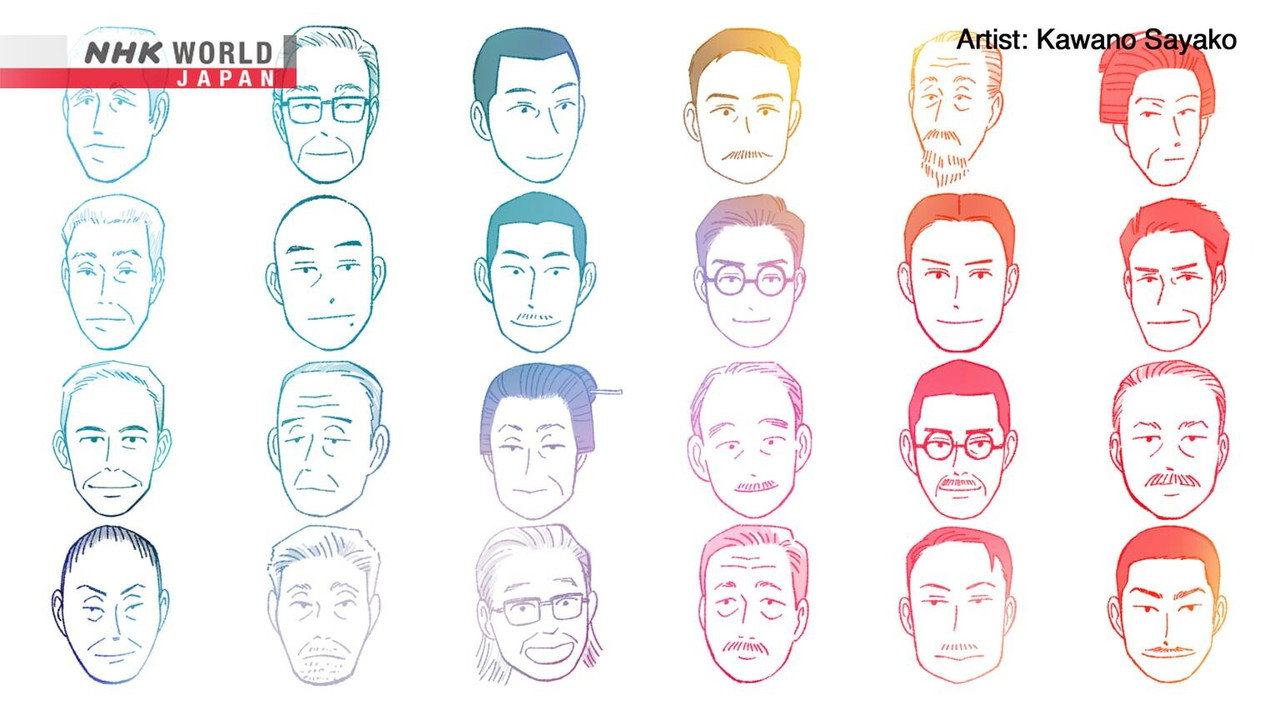
A lineage of modern artists preserves and evolves Nihonga traditions, using the techniques as the foundation of their work. Convention and avant-garde, past and present resonate throughout their art.

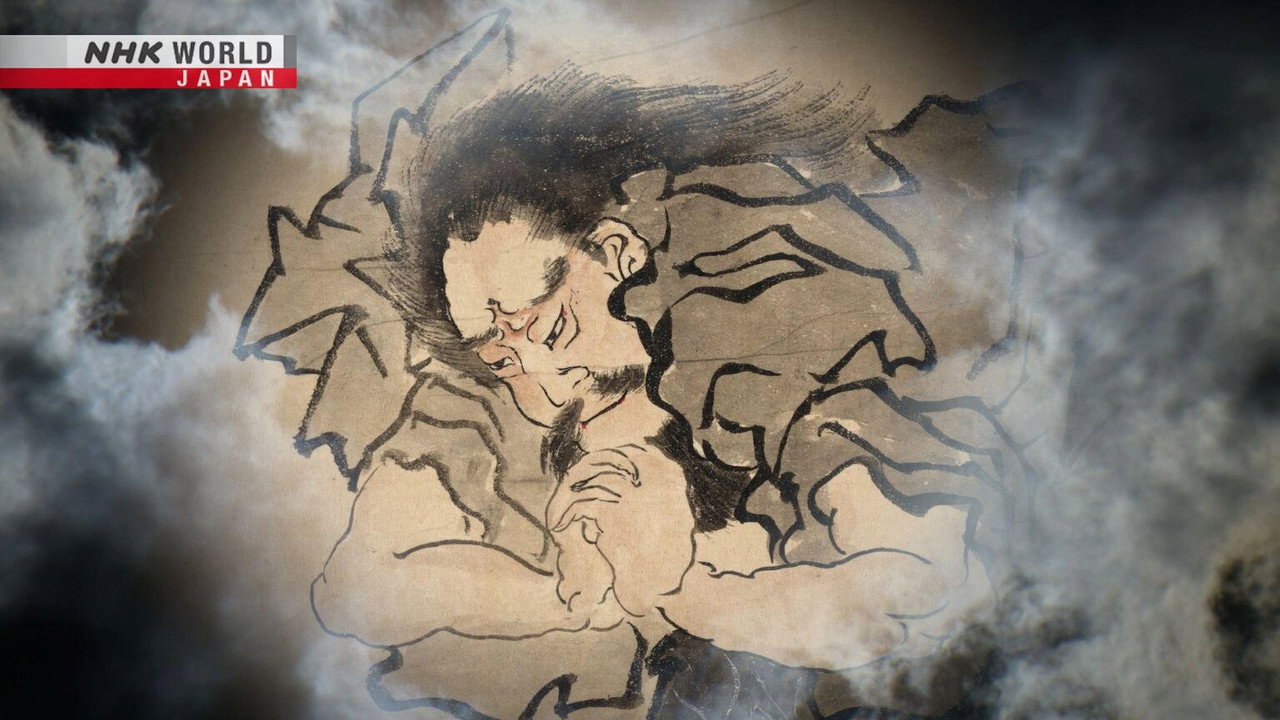
The spirits of people who died in anger, disgrace, or battle were long ago believed to cast curses. This gave rise to rituals that honored and appeased them, in hopes of bringing peace to the nation.

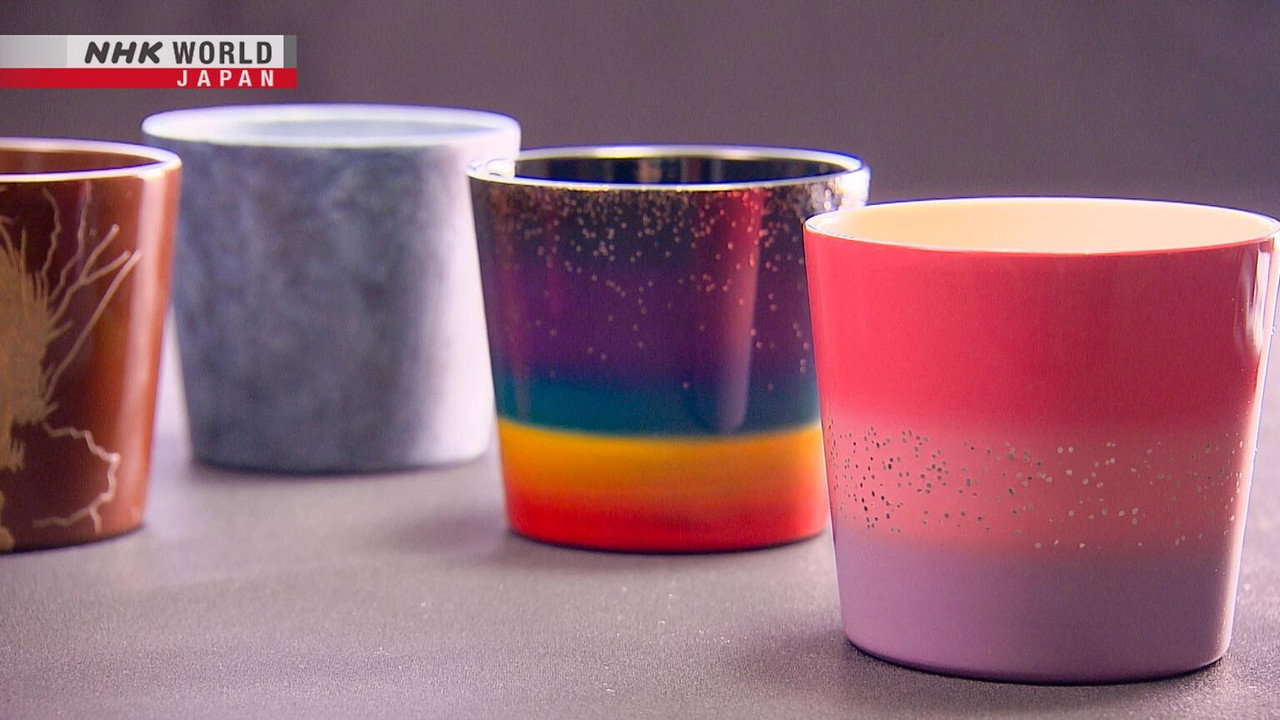
The Kyoto Municipal Institute of Industrial Technology and Culture helps traditional industries overcome challenges by applying advanced technology and making their businesses more sustainable.

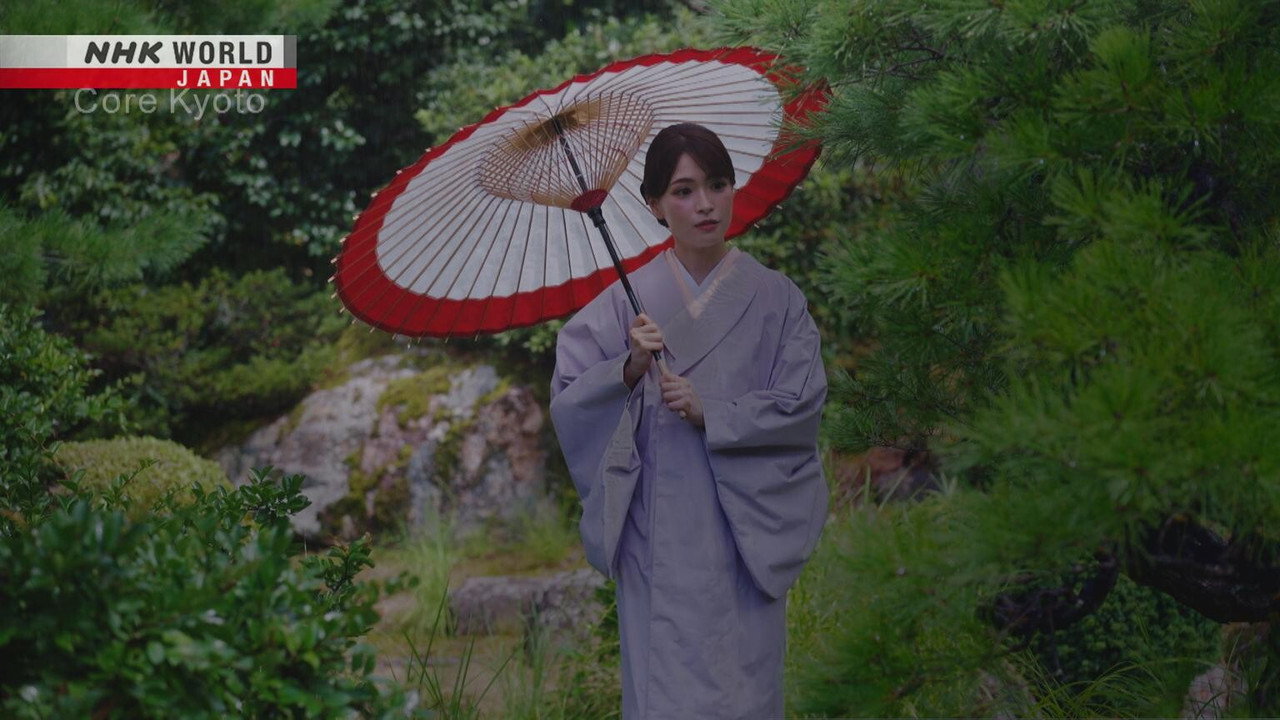
To Japanese, rain is rarely a nuisance but a blessing that sustains life. From this notion emerged rituals; traditions in umbrellas, kimono, and confectionary; and the wisdom to prevent flooding.

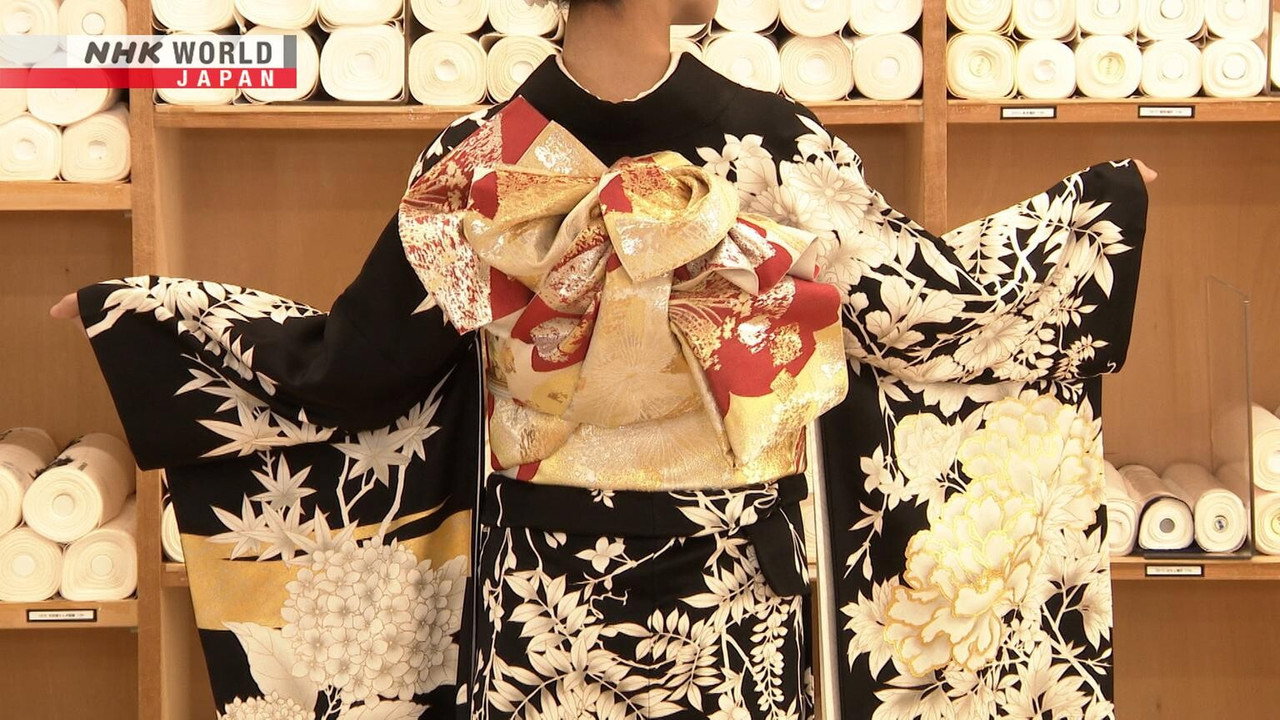
Kyo-yuzen adds gold decoration in the final stages of kimono making, using gold leaf, powder, or paste. The Kyoto technique is gaining global attention through a project with The Rolling Stones.

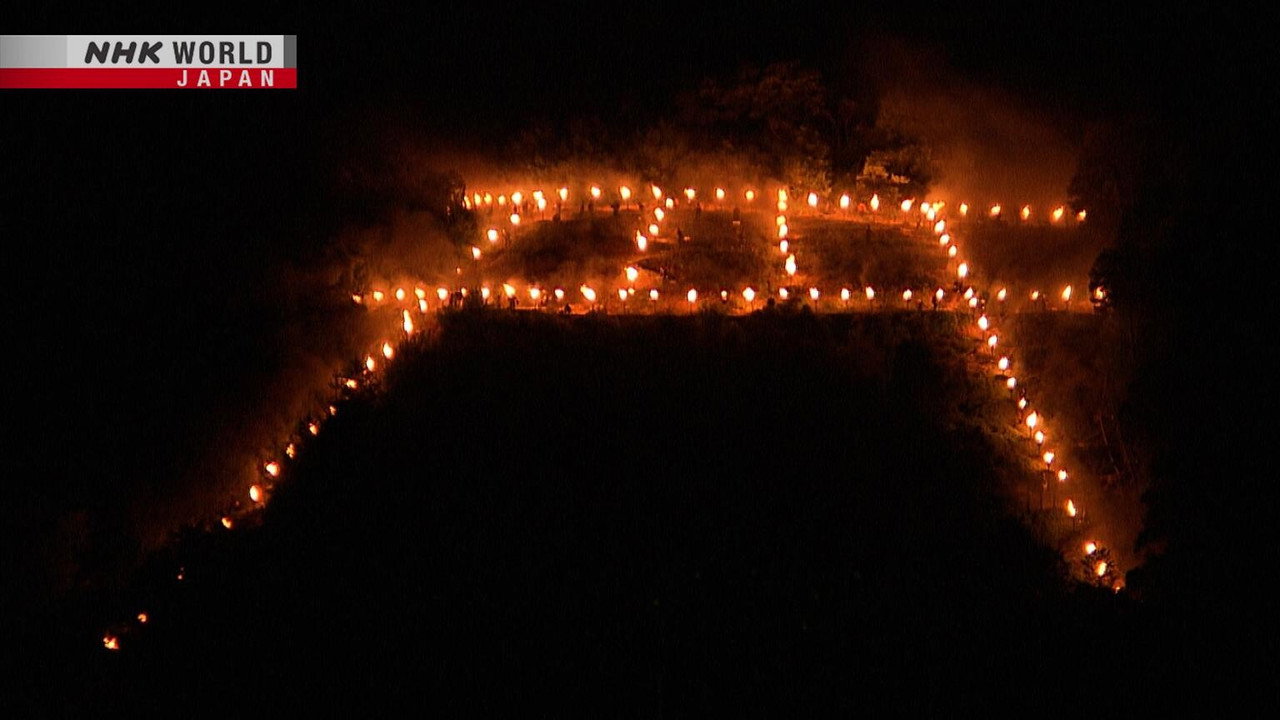
Bonfires are lit on the mountains to guide ancestors back to the afterlife after their visit in August. This tradition connects the living and the dead through prayer and strengthens community bonds.
Episodes
14 seasons and 252 episodes so far